There is a place
where a child’s curiosity can be deadly.
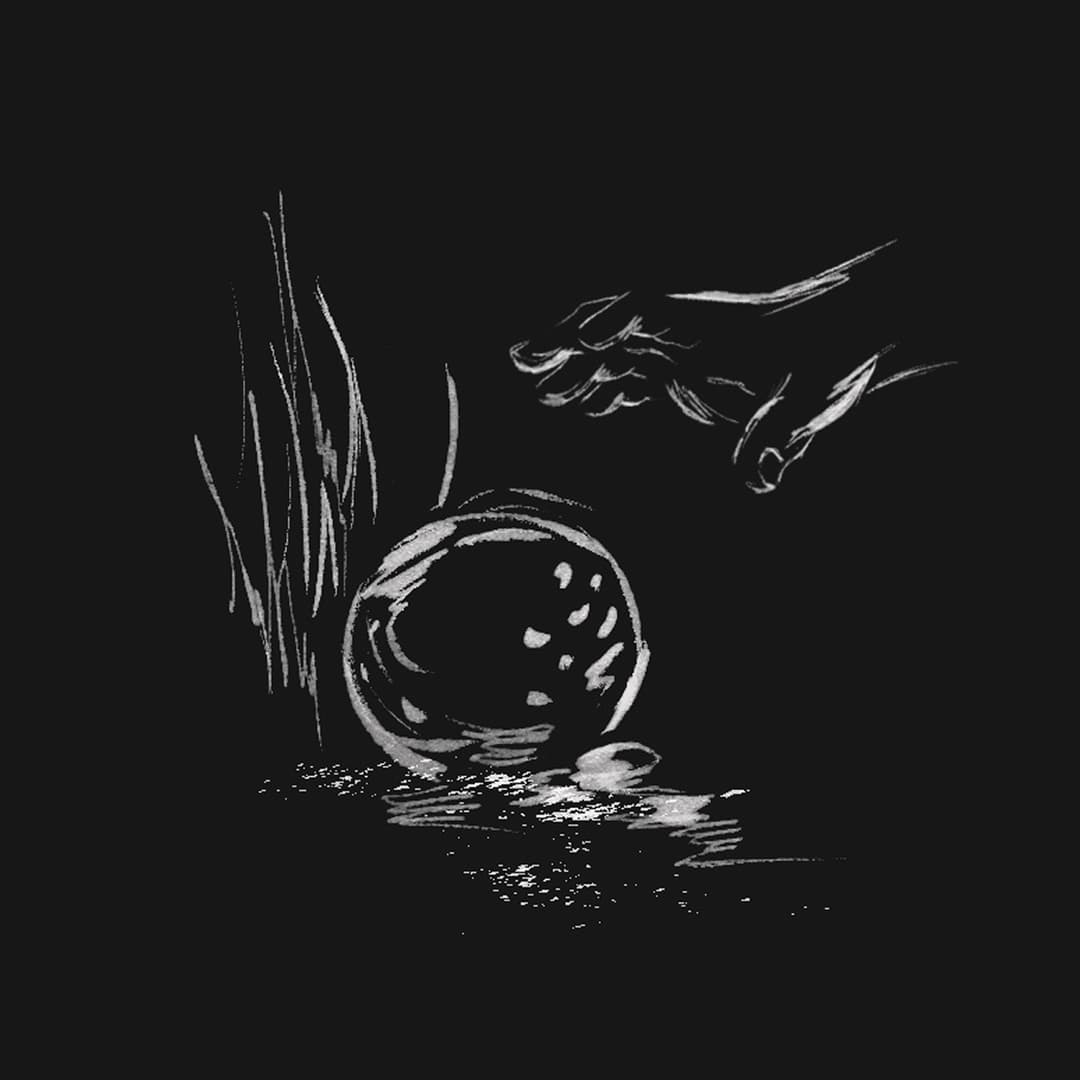
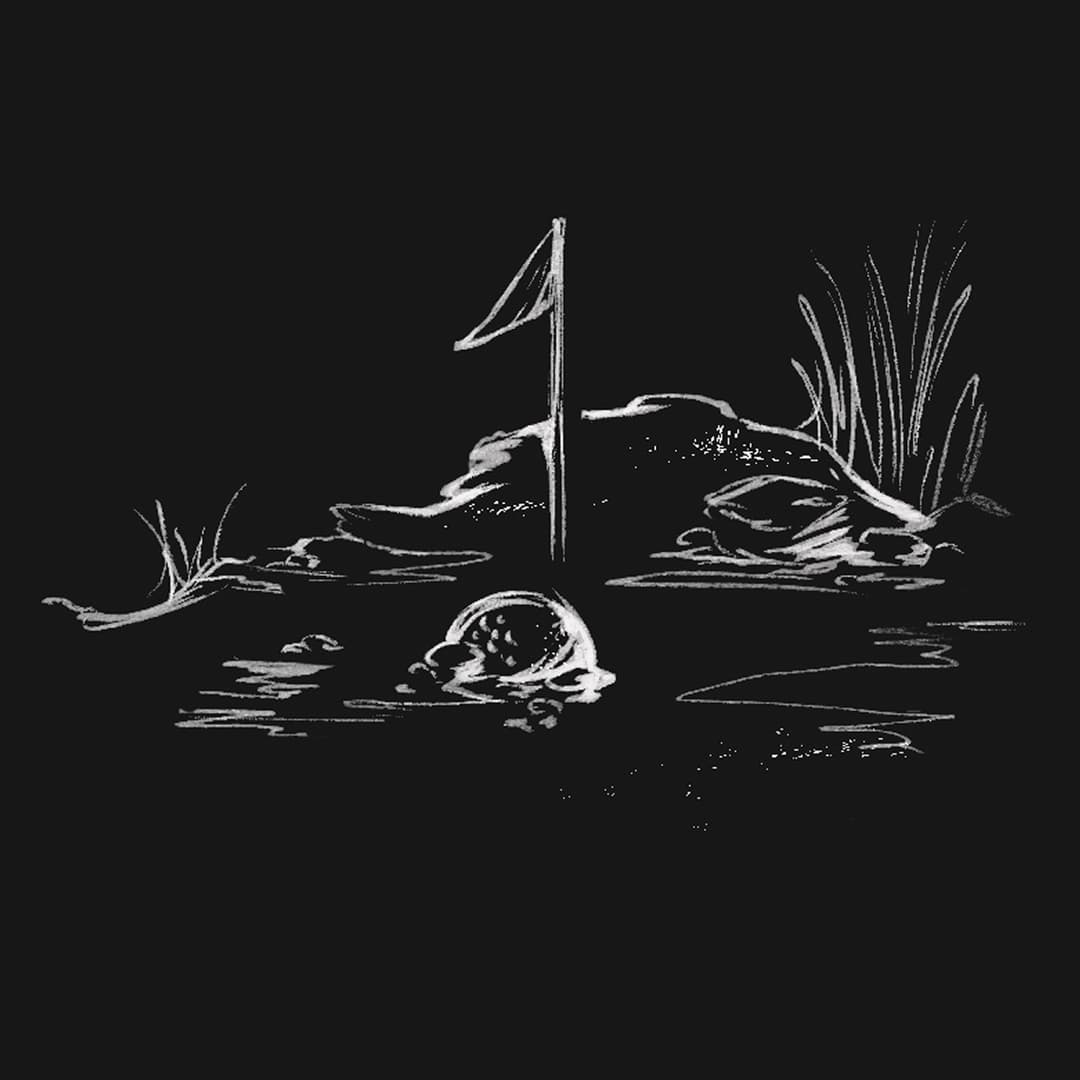
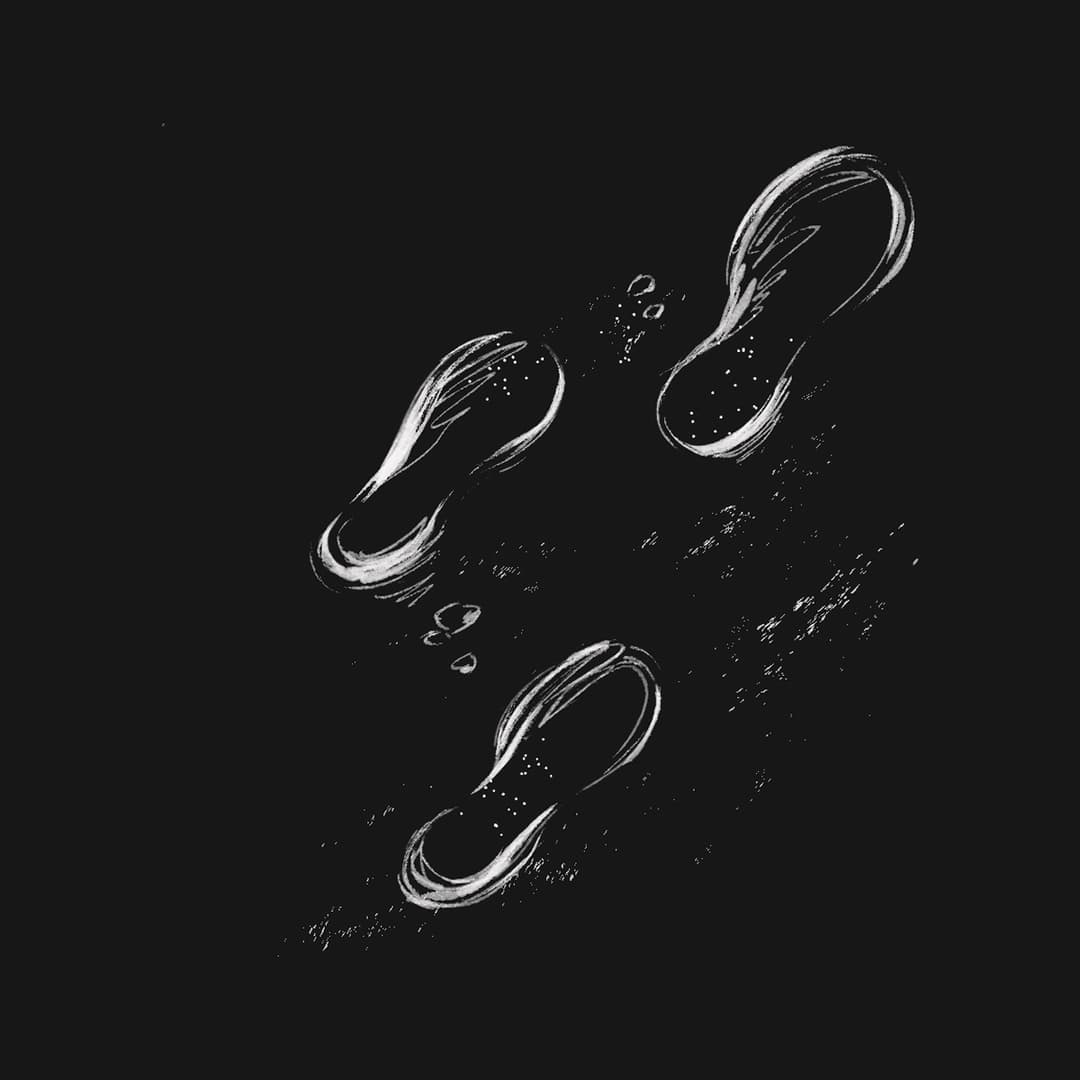
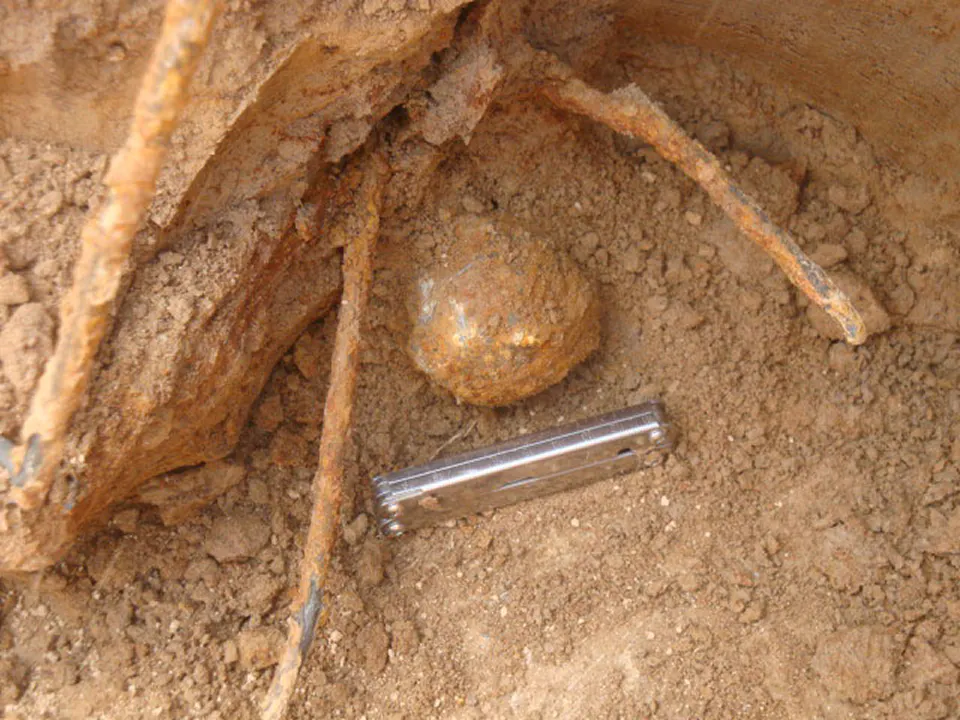
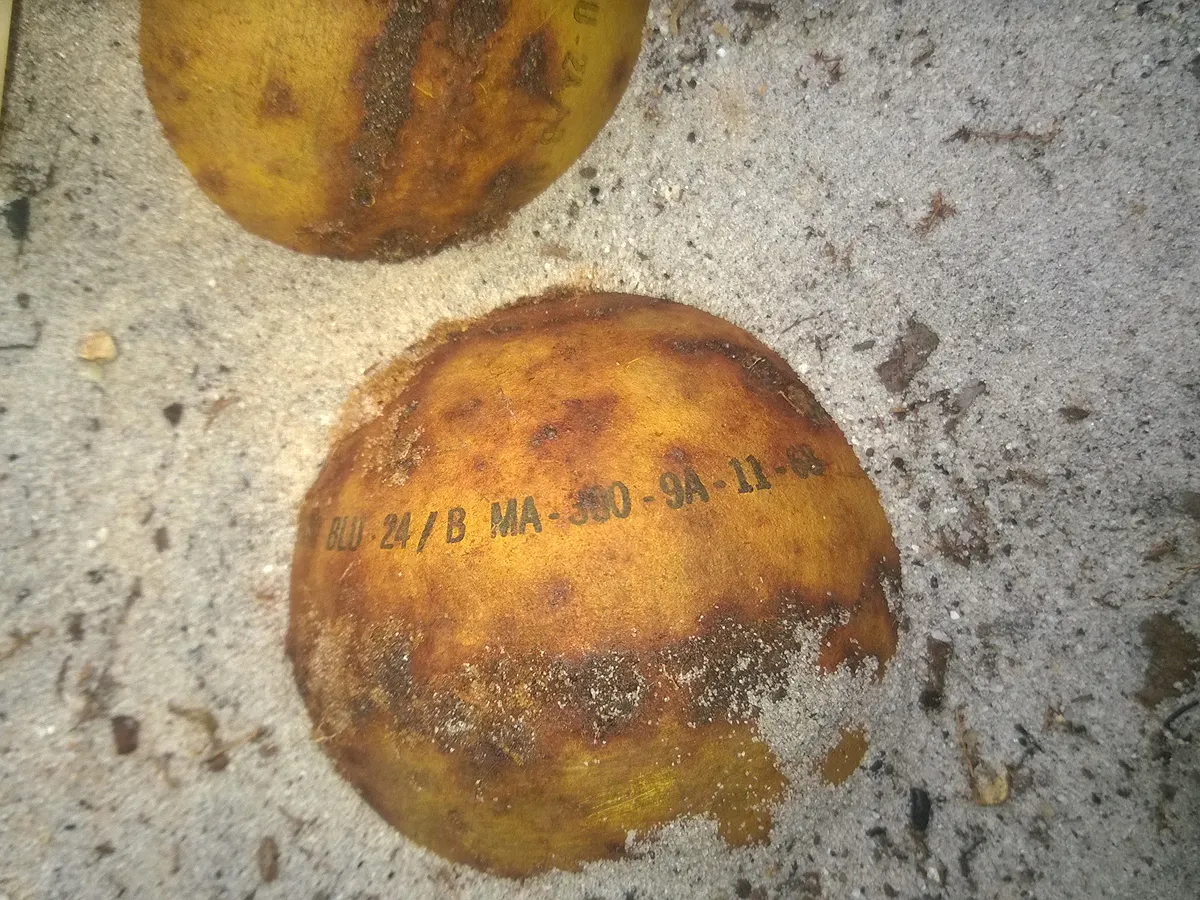
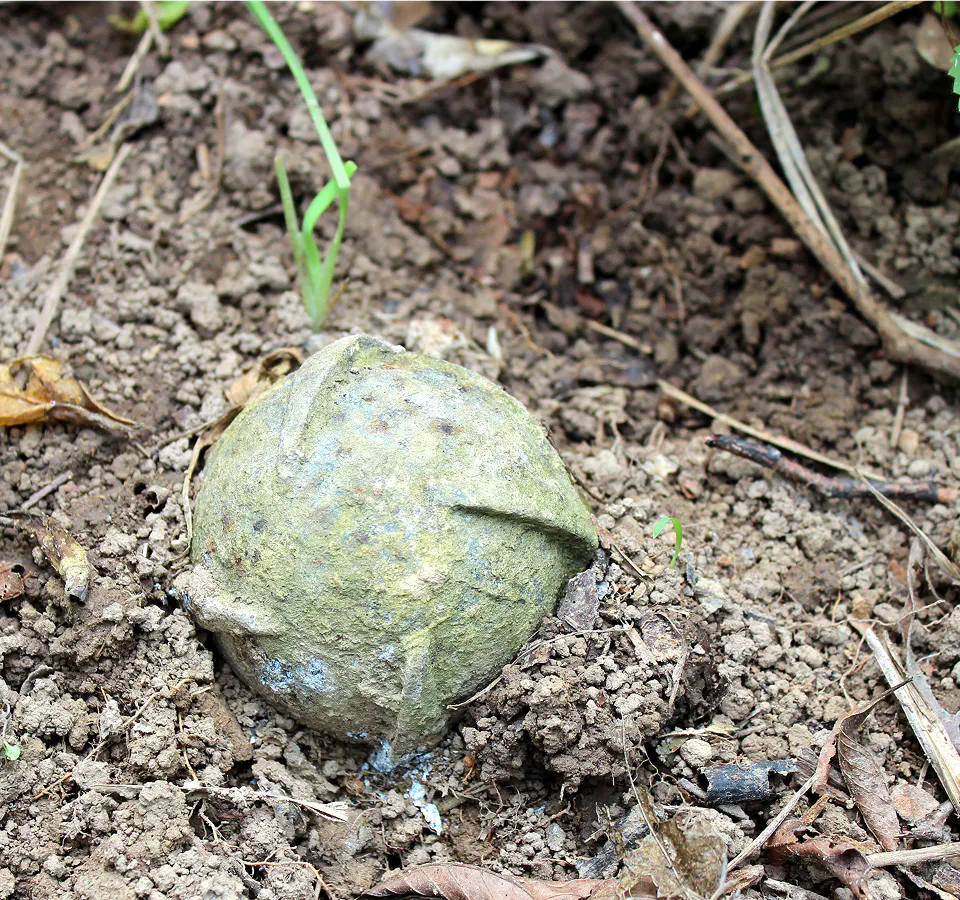
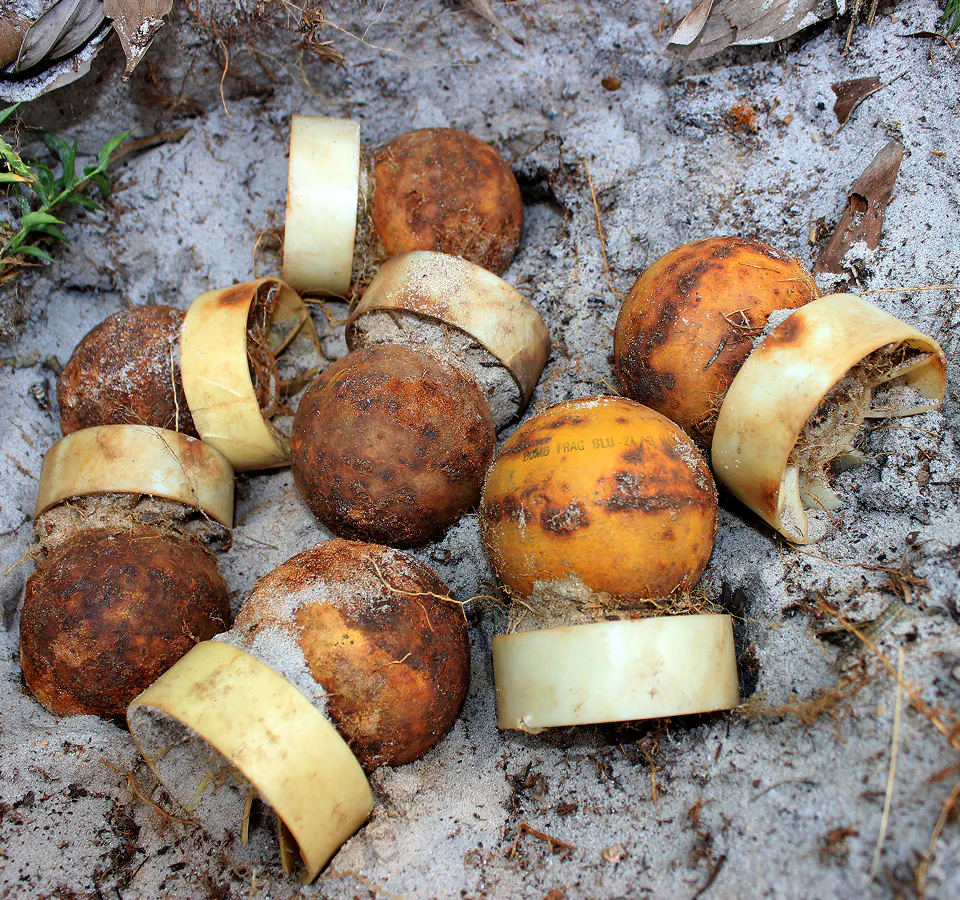
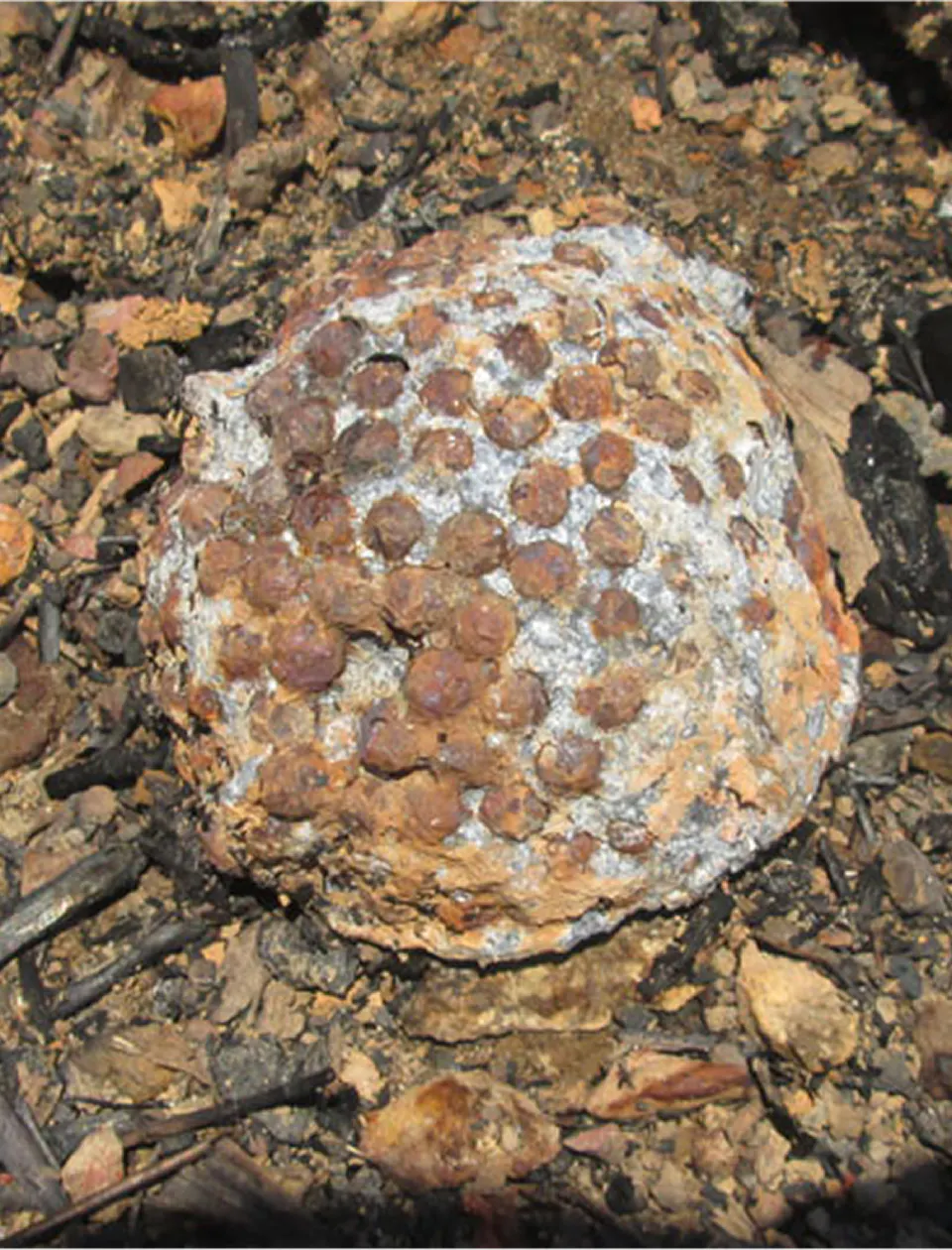
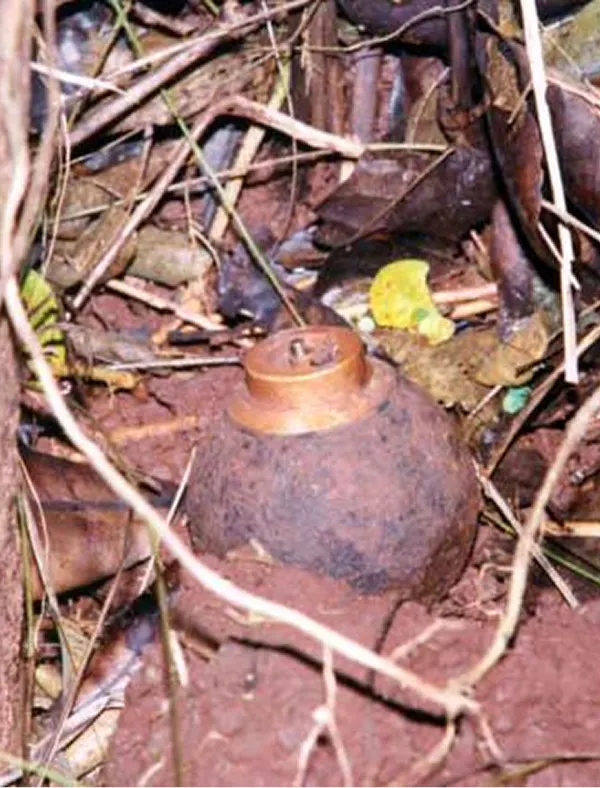
Small, round metal objectsthat seem harmless.
Yet they are the haunting nightmarecalled cluster bombs.
Cluster bombs are a type of explosive weapon consisting of a container (the outer casing, termed the “mother bomb”) inside of which are many small secondary munitions (called “submunitions” or “bomblets”). Each bomblet contains hundreds of small steel balls. When a bomblet detonates, fragments spray out to a radius of about 10 meters, causing severe injuries and casualties. Typically, each “mother bomb” can contain dozens to hundreds of bomblets. This weapon is designed to attack over wide areas and can be released from aircraft, rocket launchers, or mortars.01
Based on the BLU-26/B cluster bomb, also known as the “guava bomb”.
Based on the casualty area of a BLU-26/B cluster bomb, also known as the “guava bomb”.
Upon release, the mother bomb disperses its deadly payload at an altitude of approximately 800–1,000 meters.
Hundreds of bomblets scatter across the ground, “similar to how farmers sow rice seeds.”
Up to 30% of bomblets do not detonate upon hitting the ground.
The casualty area of one mother bomb can be equivalent to several football fields.
Due to their wide coverage, even when aimed at military targets, bomblets can land on nearby civilian areas,02 causing casualties and devastating homes, fields, roads, schools, and other infrastructure.
For most munitions of this type, not all bomblets explode upon impact.03 Nearly one-third of the bomblets dropped during the war remain undetonated, becoming unexploded ordnance (UXO), sometimes referred to as “silent bullets” or “rotten bullets” by locals.04
Bomblets are typically very small, about the size of an orange or tennis ball. They fall scattered across the ground and, over time, become covered with rust, causing them to blend in with the soil and rocks. This makes them difficult to identify with the naked eye and easy to mistake for scrap metal or familiar objects.
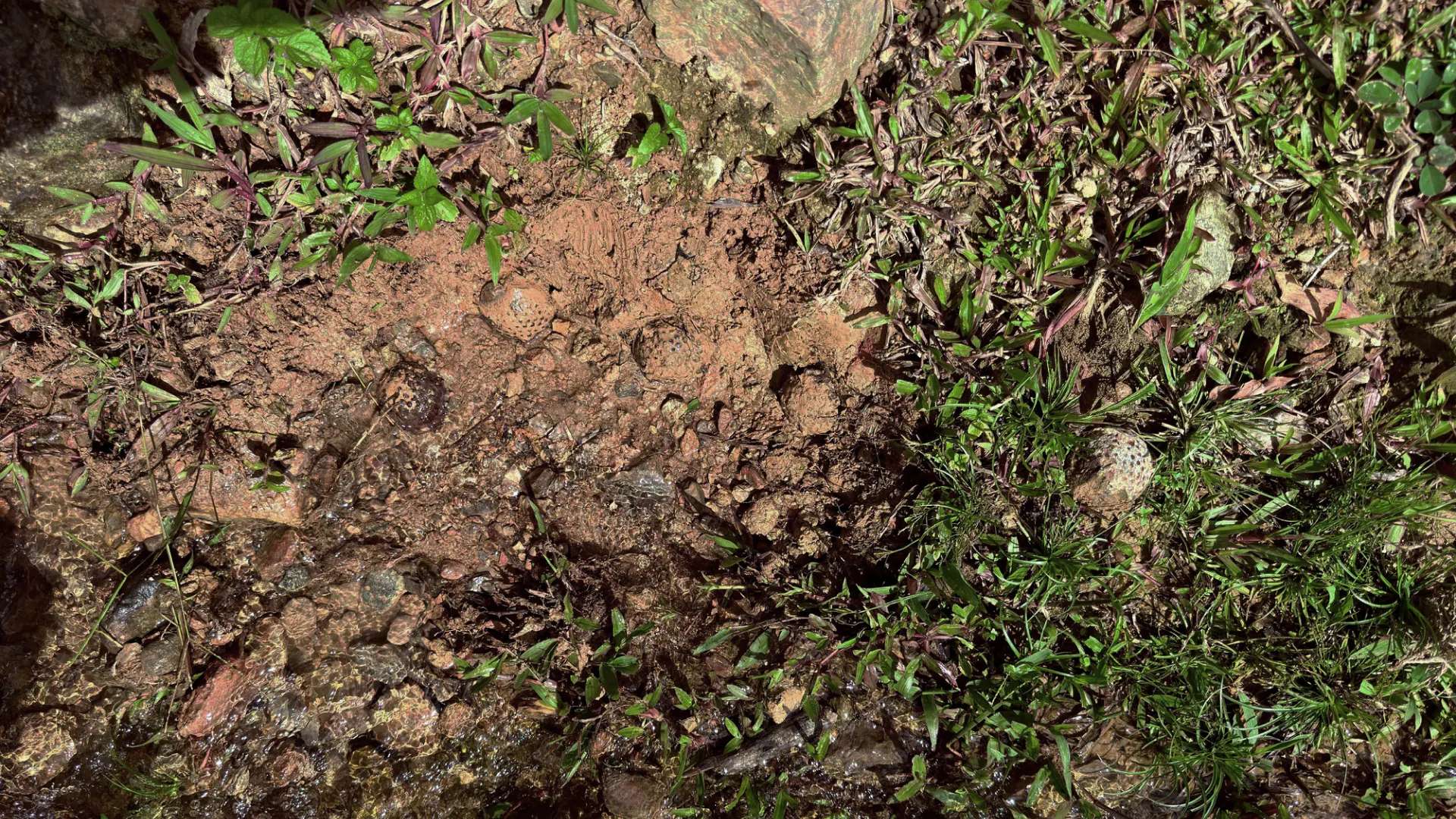
Hidden beneath the soil or obscured by bushes, bomblets can be difficult to spot and are often mistaken for harmless objects.
Thirty-three countries have produced 208 types of cluster bombs, with diverse designs and crippling capabilities.05 In Vietnam, many are named after their external appearance, such as the “pineapple bomb” (BLU-3/B), “guava bomb” (BLU-26/B), or “orange bomb” (BLU-66).06
Because cluster bomblets are often concealed and difficult to identify, an AR application was developed to help people practice recognizing them and responding safely in real-world situations.
Without any warning signs, or rhyme or reason. Suddenly, they explode.
These bomblets, with their extremely sensitive detonation mechanisms, can explode upon the slightest impact, making them unpredictable and a constant threat. Not only do they cause casualties, but they also disrupt livelihoods such as farming and livestock raising and slow down the resettlement process.07
On a deeper level, they destroy people’s trust in the land. When native soil can no longer provide for families, people are pushed to seek opportunities elsewhere. The consequence is abandoned land and generations gradually losing their connection to their homeland and roots. Those who choose to stay are often confined to areas they know to be safe, while carrying the trauma of continuously living with constant fear.
In other words, cluster bombs are the lingering ghosts of war, overshadowing life and allowing post-war trauma to be transmitted across generations, leaving little room for healing.
This is the reality in Quang Tri, where cluster bombs have trapped the war within its land and people.
The United States is estimated to have dropped over 7.5 million tons of bombs on Vietnam, Laos, and Cambodia, with Vietnam alone receiving 5 million tons.08
This included over 296,000 cluster bombs carrying approximately 97 million bomblets.
Located along the 17th parallel, once the demarcation line dividing North and South, and serving as an important gateway on the Ho Chi Minh Trail, this narrow strip of land became a focal point of the fighting and suffered heavy bombing. During the 81-day Battle of Quang Tri Citadel in 1972, Quang Tri endured 328,000 tons of bombs, comparable to the combined destructive power of seven atomic bombs on the scale of those dropped on Hiroshima and Nagasaki.09
Boundary of Quang Tri Province before June 2025.
Each dot represents one cluster-bomb strike.
Fifty years after the war ended, unexploded ordnance still threatens community safety and hinders land use for socioeconomic development. According to the Quang Tri Mine Action Center, 620 km² of land across the former Quang Tri Province (southern Quang Tri) has been confirmed to be contaminated with cluster bombs.[10] As of the end of 2025, mine action organizations including Mines Advisory Group, PeaceTrees Vietnam, and Norwegian People’s Aid/Project RENEW had cleared only 44.7% of the total confirmed hazardous area.
Based on current mine clearance resources and data on confirmed hazardous areas still requiring clearance, southern Quang Tri is estimated to need more than 10 years to complete the work of releasing safe land back to the community. Can anyone afford to wait a decade before they can walk their own land without fear?
With no other choice,
people live with the lurking terror the land carries.
Every day, Quang Tri residents go about their lives on familiar land. But beneath the soil, no one knows how many unexploded cluster bombs lie dormant. Residents say that when hoeing their fields, they must carefully choose where each strike lands, afraid of hitting something unfamiliar. Children’s play is governed by a set of safety rules learned by heart, and they always aware of where they must not go.
In the memories of many residents, explosions come not from war but from everyday activities. Statistics show that one in every five mine and UXO accidents in Quang Tri is caused by cluster bombs. These accidents occur mostly when people are working or children are playing. Children are particularly vulnerable because bomblets are small and sometimes brightly colored, resembling toys. They pick them up and play with them, unaware of the danger they pose. For the people of Quang Tri, casualty numbers lie not in a census but in abandoned fields, forbidden lands, and gaps that can never be filled.
On land still containing cluster bombs, injuries are not only etched on victims’ bodies but also weigh heavily on their souls and those of their loved ones.
Beyond the physical and mental scars left by these accidents, survivors carry the burden of a war they never fought in—yet whose consequences they are condemned to live with.

Unexploded ordnance marked off with warning tape in the middle of a garden or field—an all-too-familiar sight in Quang Tri.
Photo credit: Norwegian People's Aid Vietnam
Ho Van Lai, 35, had to learn to accept tragedy at a very young age. His story of survival and resilience has resonated throughout Quang Tri and beyond.
What looked like a playground was a sand dune concealing a bomblet. Lai lifted it, mistaking danger for play. At 10 years old, 15 years after the war, Lai encountered one of its deadly remnants. The accident claimed the lives of two of his cousins. He miraculously survived but was severely injured by hundreds of metal fragments embedded in his body, causing him to lose both legs, his right arm, his left hand, and one eye. His degree of disability was assessed at 86%. After many difficult months of recovery and adjusting to his new body, Lai continued to struggle with lingering mental trauma.
After the accident, young Lai became afraid of darkness and noise. He often cried and begged his parents to take him somewhere far away, “somewhere no one talks about bombs or mines anymore.” While recovering and learning to walk with prosthetic legs, Lai often felt guilty because “the prosthetic legs are too noisy and disturb people.” He also blamed himself for causing the accident and for surviving it. Even now, survivor’s guilt “chokes him up” whenever he remembers that day.
After adapting to the major changes to his body, Lai tried to return to a normal life and attended public school. Throughout his school years, he had “no friends” because “with this body, I can’t play football or billiards with them.” But he rarely mentioned loneliness or feeling out of place, focusing instead on the joy of earning good grades.
Life amid bombs and poverty did not allow children like Lai to show weakness.
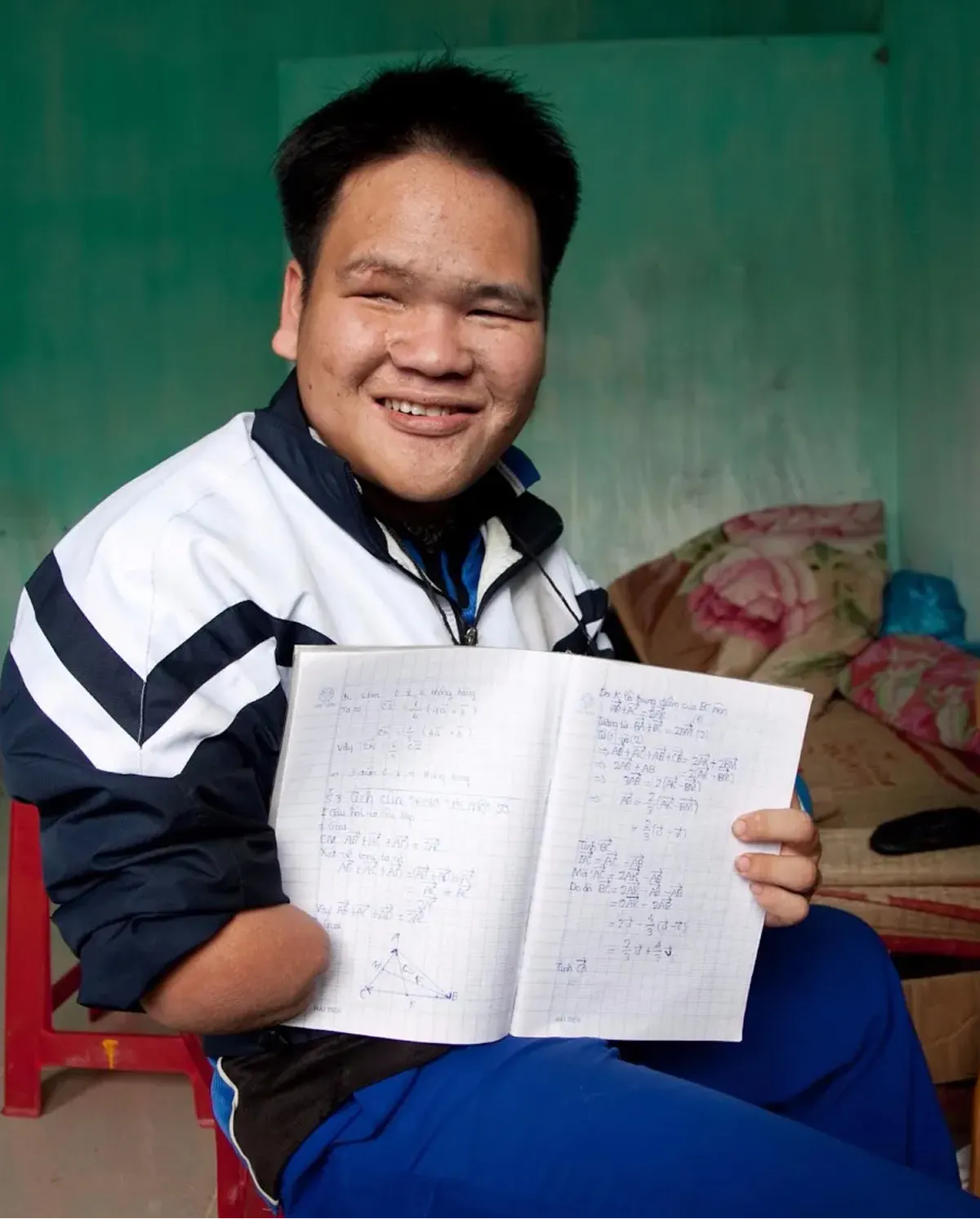
Image: PeaceTrees Vietnam
Time has carried the accident into the past. More than 20 years later, Lai is now a key member of Project RENEW, conducting mine risk education sessions where he shares his story with communities.
Through my work, I’ve told my story countless times, but I no longer feel sad when recounting it. I’m happy because I know my story is helping children stay safe and better understand the hazards of cluster bombs.Ho Van Lai
Choosing to face his tragic story every day to “do something good for society” is extremely brave. However, Lai and other young victims of cluster bombs in Quang Tri who are lucky enough to survive must sacrifice their childhoods, bodies, and peace of mind to move forward. And that is an inhumane sacrifice that no child should have to endure.
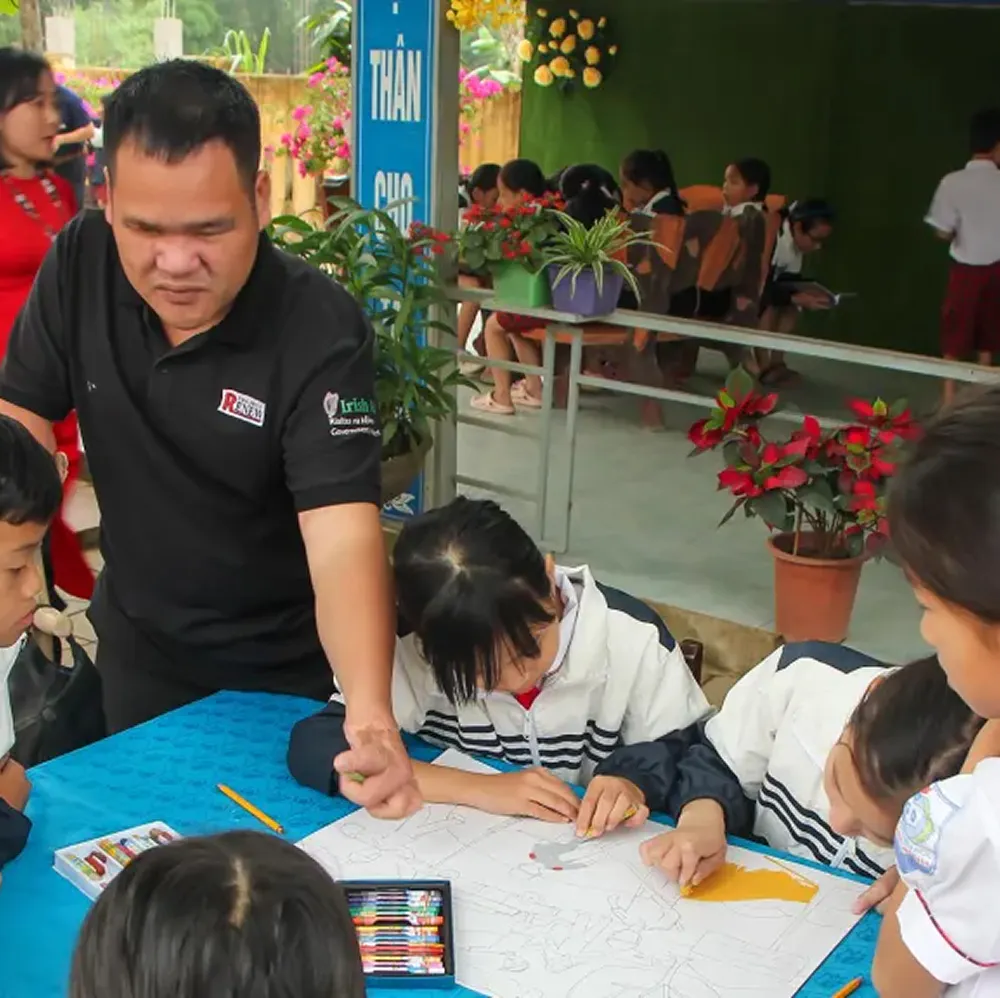
Time has carried the accident into the past and 20 years later, Lai is now a key member of Project RENEW, conducting mine risk education sessions where he shares his story with communities.
Image: Hien Ngo
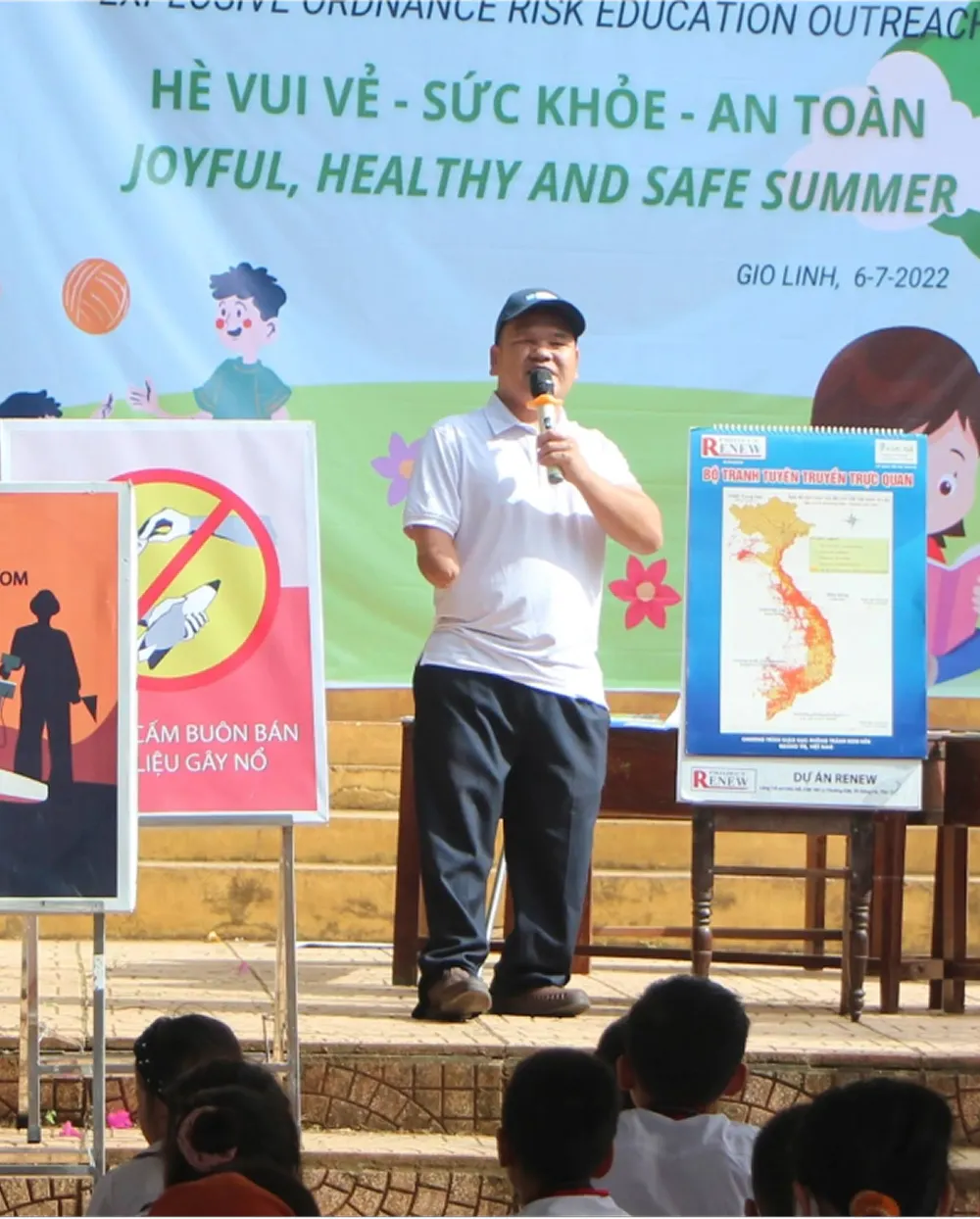
Time has carried the accident into the past and 20 years later, Lai is now a key member of Project RENEW, conducting mine risk education sessions where he shares his story with communities.
Image: Hien Ngo
Ho Thi Gai, 52, is the wife of Le Quang Thanh, a cluster bomb survivor who was blinded in an accident at age 11. Gai herself lived through her own traumatic experience at just 17: “While chopping firewood, my axe hit something hard. Luckily, I ran away in time.”
She casually mentioned, “The house next door has two sons, both tall and strong, who had their arms and legs blown off by a bomb.” Earlier, she had mentioned, “My youngest son was grazed by a vehicle and had to be hospitalized last month.” Both accidents were recounted in the same flat tone, neither more serious than the other.
Cluster bombs have become part of daily life for Gai, as they have for most residents of Quang Tri. News of cluster bomb accidents is interspersed with stories about the weather or farming, like an ordinary fact, recounted without much emotion. Something that should be abhorrent has become normalized by its frequency.
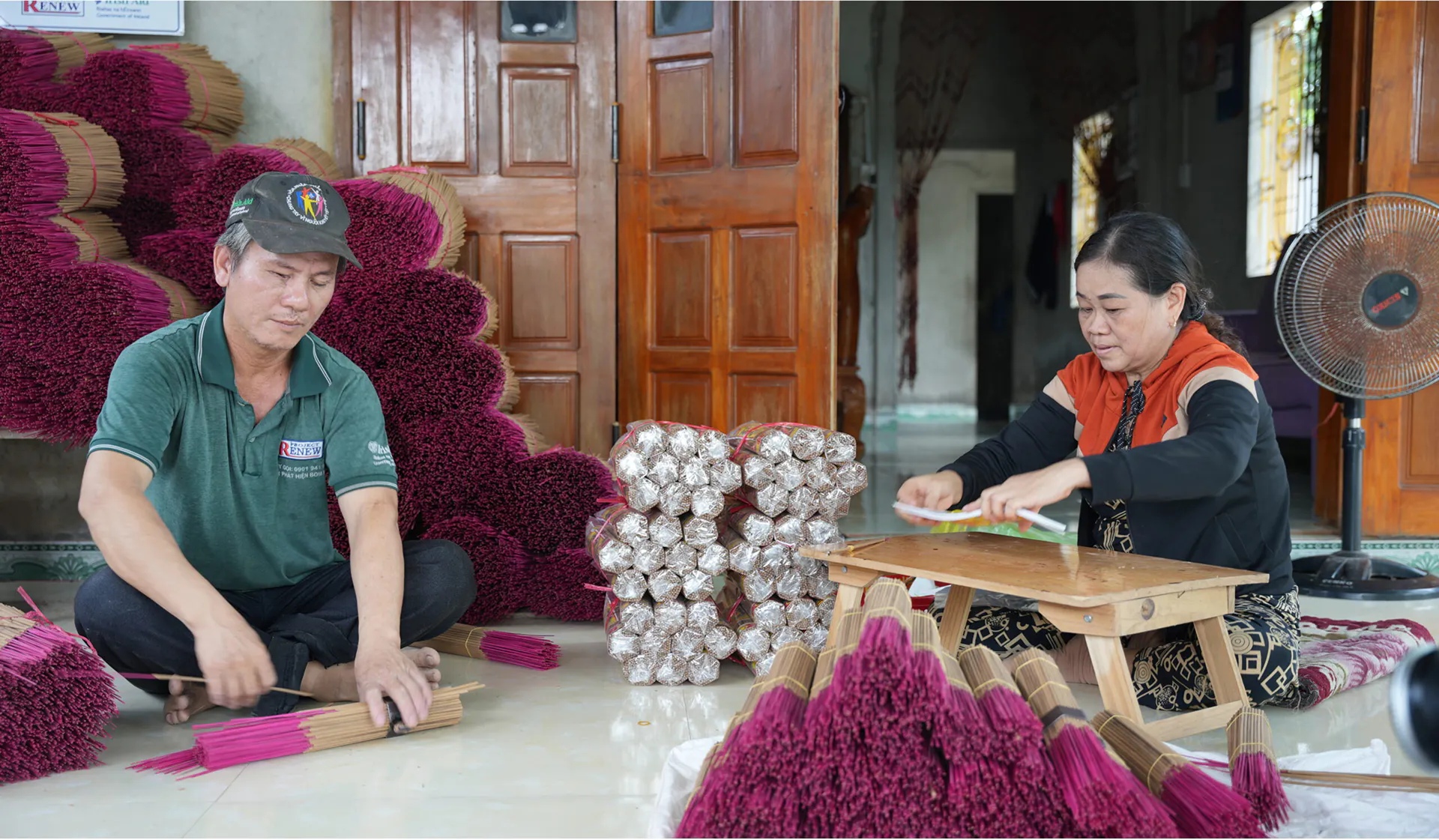
Gai and her husband, Thanh, carefully wrap each bundle of incense for their Thanh Gai brand. Life goes on, quietly but steadfastly.
Image: Hien Ngo
Something that should be abhorrent has become normalized by its frequency.
This response has evolved into a defense mechanism. It is an emotional “armor” against bad news that protects people from being overwhelmed by fear, stress, and sadness and enables them to maintain the rhythm of daily life. Cluster bombs not only took away Gai’s husband’s sight and stripped a young man of his strength, but also eroded their ability to respond to their own pain, leaving fear and trauma buried silently inside, hard to see but always present.
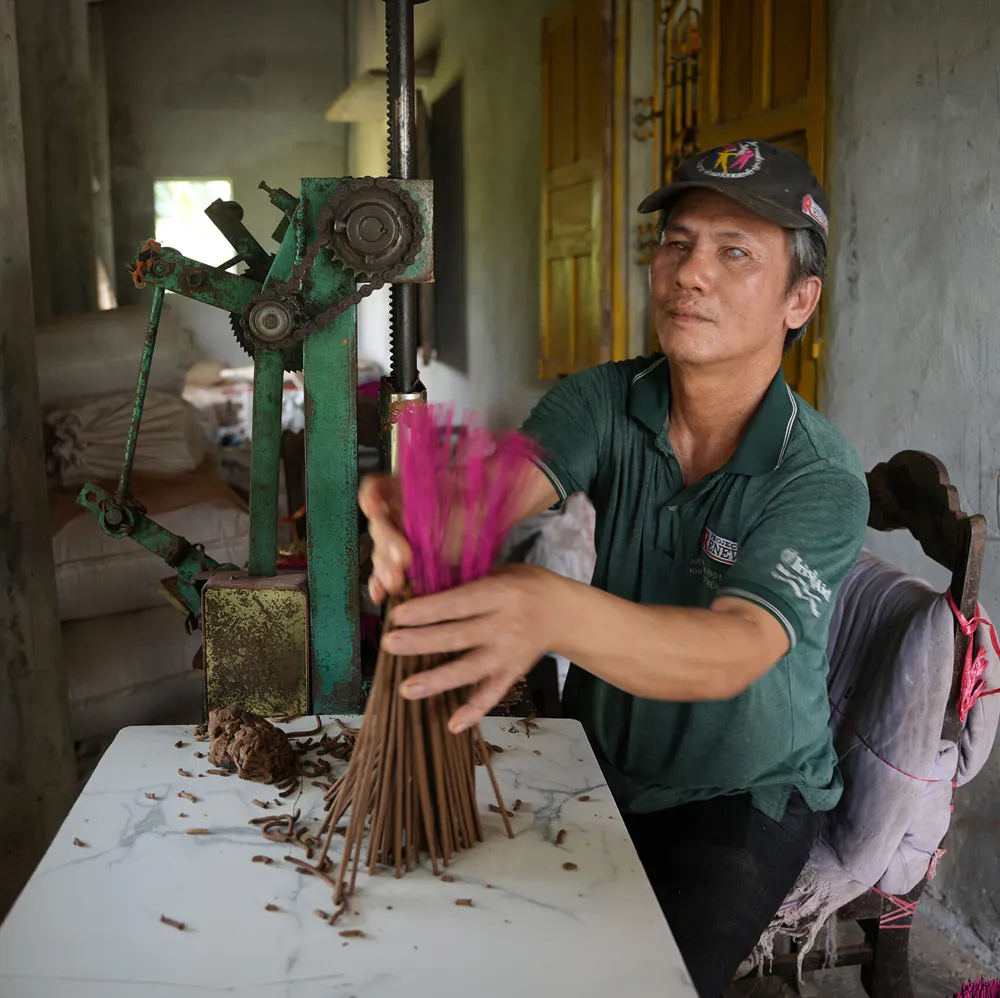
Here, people learn to carry on and to remain silent in the face of losses that have become all too familiar, as though pain itself were now part of everyday life.
Image: Hien Ngo
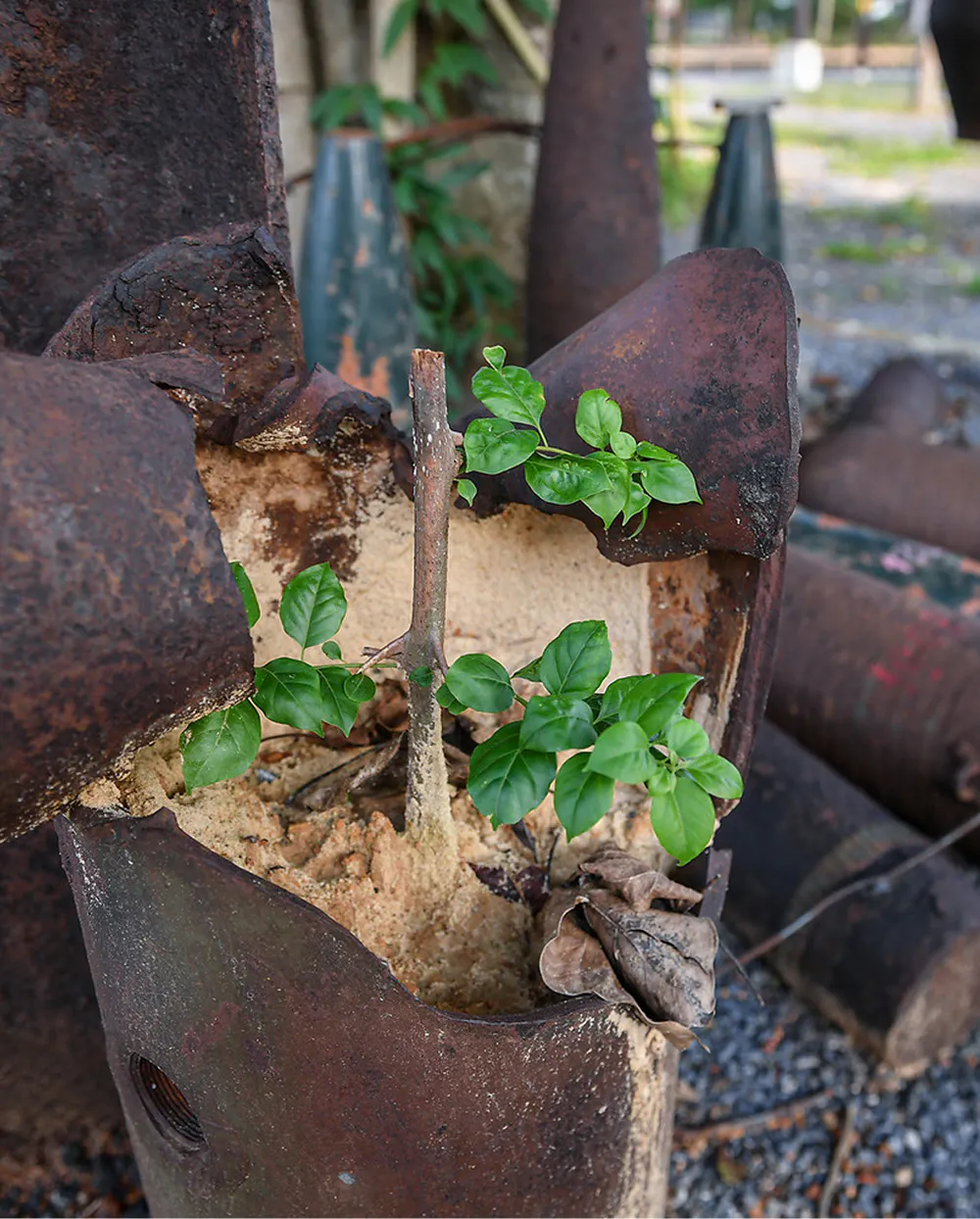
With memories of war still buried in every inch of the land, people contain their grief so they can carry on. What was once abnormal gradually becomes familiar, like green shoots taking root and rising from the fragments of war.
Image: Hien Ngo
Ngo Thien Hoang, 35, had to face tragedy caused by cluster bombs in a different way. But like Ho Van Lai, he chose to overcome the pain of loss by giving it meaning and purpose.
Hoang’s father—the late Ngo Thien Khiet, Team Leader of NPA-RENEW’s Technical Survey Team—died from severe injuries after a time-delayed cluster bomb suddenly exploded while he was on duty. The explosion occurred in a rice field where residents had just finished harvesting. The NPA-RENEW Technical Survey Team had been deployed to identify hazardous areas after residents reported finding many cluster bombs over years of cultivation.
When I received the news, my first feeling was shock. I couldn’t believe that someone as experienced as my father could have an accident.Ngo Thien Hoang
One month after his father died in the cluster bomb explosion, Ngo Thien Hoang joined a four-week training course to become a non-technical survey officer for NPA-RENEW. Despite fully understanding the risks of the profession, he remained determined. He saw it as a way to remember his father and carry on his unfinished work.
As the pain gradually eased, Hoang and his small family returned to the simple rhythm of daily life. Mornings meant dropping his child off at school, followed by work, an afternoon pickup, meals, household chores, and then the cycle began again. He does not mention vacation plans, personal hobbies, or dreams for himself. He hopes for a day when “the land is free of cluster bombs, people have land to work, and children have nature to play in.” Shadowing his hope is the distress that, if the clearance project lacks funding, it may never become a reality.
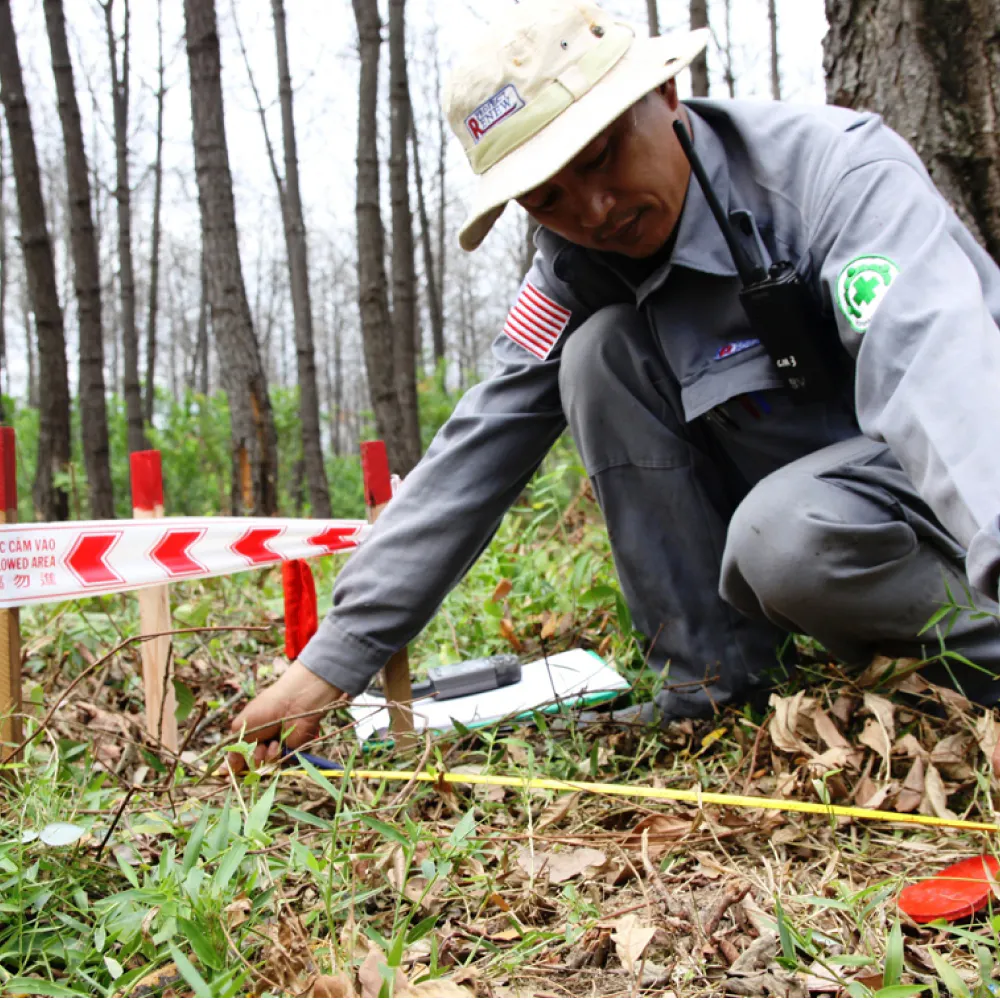
The legacy of team leader Ngo Thien Khiet lives on through his son, daughter-in-law, and fellow team members.
Image: Hien Ngo
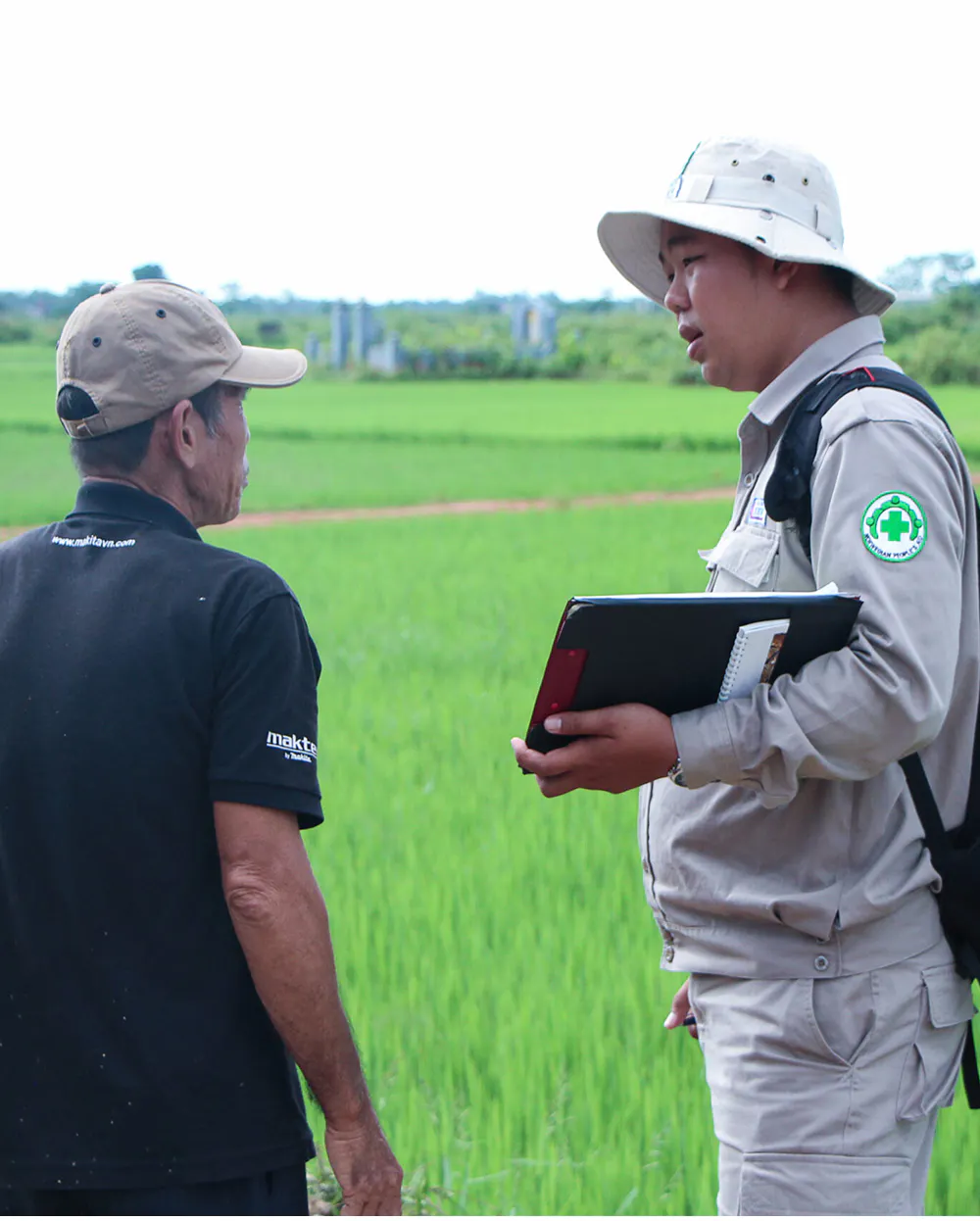
For those rooted in this land, the only hope is that one day it will be free of bombs and mines, allowing residents to work without fear and children to play freely. The work of “bringing green back” to Quang Tri has therefore never stopped.
Image: Hien Ngo
Similar to Hoang, Gai and Lai carry many worries about the future. Gai has no aspirations for herself, only the hope that “my youngest son has a stable job.” Lai fears that his declining vision will leave him “blind in the remaining eye (...) unable to work anymore, no longer useful to society.” Although each of them has a strong will to live, constant fear still silently dominates their thoughts, restraining their personal aspirations and causing their lives to revolve around safety, duty, and responsibility.
The pain of cluster bombs has never stayed in the past.
It remains embedded in the land and within the people of Quang Tri.
It still lives in the present, woven into every habit and way of life,
persistent as a wound that has never closed.
Beyond Quang Tri,
many other lands are also struggling with the pain called cluster bombs.
Although Quang Tri is the hotspot for cluster bomb contamination in Vietnam, cluster bombs in particular and unexploded ordnance (UXO) more broadly remain scattered throughout the country. Vietnam still has about 5.6 million hectares, equivalent to 17.71% of its total land area, contaminated by landmines and unexploded ordnance. The contamination is concentrated mainly in central localities such as Quang Binh, Binh Dinh, Nghe An, Ha Tinh, Quang Tri, Thua Thien Hue, and Quang Ngai.11
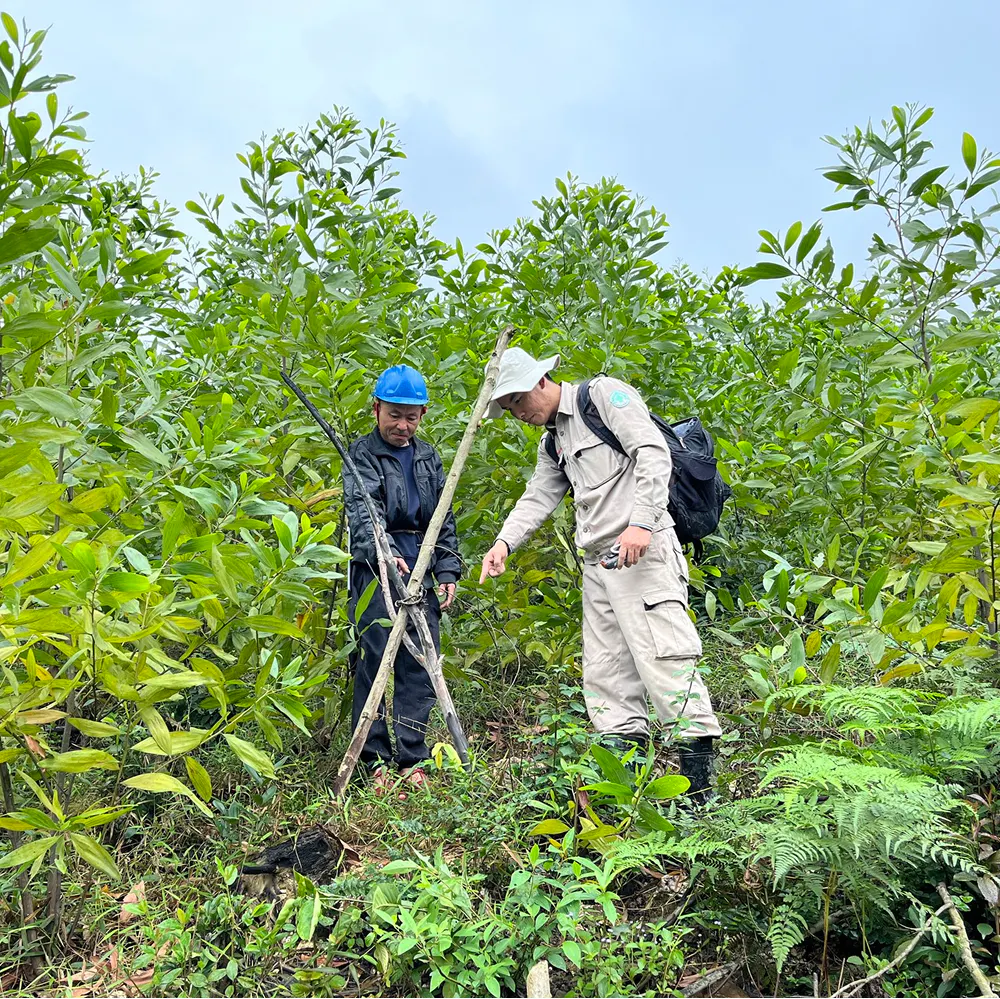
Nguyen Van Khuyen, 52, in Quang Binh reports three BLU-3/B bomblets that had remained undisturbed on his forested land for nearly two years to NPA’s Non-Technical Survey (NTS) team.
Image: Norwegian People's Aid Vietnam
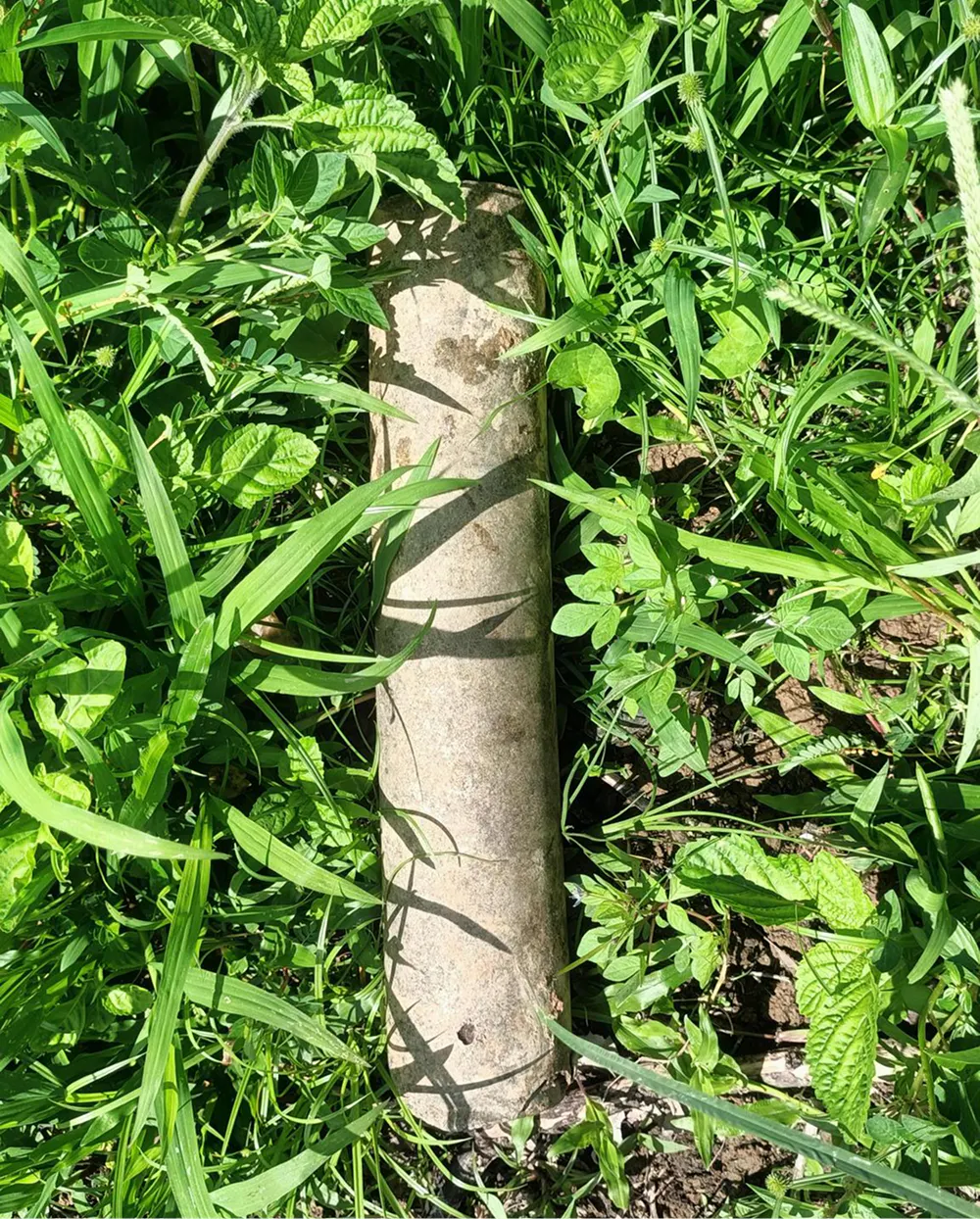
A close-up of a dispenser tube containing four intact BLU-3/B bomblets, found near farmland in A Luoi, Hue City.
Image: Norwegian People's Aid Vietnam
Laos the most heavily bombed country in the world per capita.
Across the border, neighboring Laos suffers a similar fate. During the war between the United States and Vietnam, Laos became a crucial transportation corridor along the Ho Chi Minh Trail, the vital supply route used by North Vietnam to support forces in the South. In an effort to sever this strategic supply line of the Vietnam People’s Army, the U.S. waged what became known as the Secret War and carried out more than 580,000 bombing missions in Laos from 1964 to 1973. During those nine years, bombs rained down on Laos every eight minutes on average.
More than two million tons of ordnance were dropped on Laos, making it the most heavily bombed country in the world per capita. The U.S. military dropped 270 million cluster bomblets over Laos, an estimated 80 million of which failed to explode. Since 1964, unexploded ordnance, including unexploded bomblets, has killed or injured more than 50,000 people in Laos.12

Across many parts of Laos, the remnants of cluster munitions remain visible in everyday life. Some homes even incorporate bomb casings left behind by the war.
Image: Lorna Tornquist

In Ban Napia, Laos, unexploded ordnance has become an all-too-familiar part of life. Residents have learned to repurpose bomb remnants to support their livelihoods and daily needs.
Image: Motohiro Sunouchi
The most bombed nation is now among the world’s poorest countries.
Cluster bomb contamination has also become a leading obstacle hindering Laos’s post-war socioeconomic development. With 75% of the population relying on subsistence agriculture13, contaminated land can make farming impossible, leading to severe food shortages. People’s basic rights to education, healthcare, and community life cannot be guaranteed because the infrastructure needed to provide these services cannot be built until the land has been cleared. According to a 2009 UNDP report on land contaminated by cluster bombs and UXO in Laos, about 40% of the country’s population is malnourished; nearly half lacks access to clean water; 30% of people over age 15 are illiterate; and the country’s average life expectancy is only 63 years, compared with a global average of 73.4 years. Nearly a quarter of the population lives below the poverty line, and eight out of 10 people must manage on an income of only $2.50 per day.14
Addressing the problem would cost up to $48.7 million annually. This funding would support clearance activities, victim assistance, and awareness-raising efforts to reduce risks to communities. The five-year budget for these activities from 2019 to 2023 came largely from international contributions totaling nearly $243.3 million. During the same period, Vietnam received $112.6 million (approximately VND 2.725 trillion) in international aid. It is estimated that many more decades will be needed to fully clear cluster bombs and other UXO from Laos and Vietnam, while governments and the international community continue to bear the costs.
Each time history repeats, the price to pay becomes heavier.
The weapon that once sowed terror in the past continues to appear in today's conflicts.

A 9N123K container and 9N24 submunition remnants documented in Chernihiv Oblast.
Image: State Emergency Service of Ukraine
The use of cluster bombs disregards civilian life and the well-being of future generations.
The Cluster Munition Monitor 2025 recorded new uses of cluster munitions in Myanmar and Syria and reported that Thailand appeared to acknowledge using them during the border conflict with Cambodia in July 2025.
In Russia’s war against Ukraine, both Russian and Ukrainian forces have used cluster munitions. These weapons have caused civilian casualties, including children. The report recorded 1,231 cluster munition casualties in Ukraine from February 2022 through the end of 2024. The actual figure is likely much higher and may take years to establish accurately. For the third consecutive year, Ukraine recorded the world’s highest annual number of cluster munition casualties.16
Modern warfare, including Russia’s war against Ukraine, increasingly incorporates electronic warfare and intelligence, surveillance, and reconnaissance (ISR) technologies supported by satellites and unmanned aerial vehicles (UAVs). These technologies can improve battlefield awareness and weapon accuracy. Against this backdrop, choosing to use weapons with wide-area effects such as cluster munitions—including air-delivered RBK-500 cluster bombs used by Russia—shows disregard for the severe and foreseeable risks to civilians, who remain among the most vulnerable to the unpredictability of war.
Under all circumstances, attacks directed at civilians and indiscriminate attacks are prohibited under international humanitarian law and may constitute war crimes when the relevant legal requirements are met. Measured against the core principles of international humanitarian law—Distinction, Humanity, Proportionality, and Military necessity—cluster bombs raise profound concerns because of their wide-area effects and long-lasting consequences across generations. Their use, particularly in populated areas, can make it difficult to distinguish between military targets and civilians or to limit civilian harm.
Vietnam is among the countries most heavily contaminated by cluster munition remnants, with affected areas exceeding 1,000 km².
In Southeast Asia, Laos and Cambodia also suffer from widespread contamination.
Many other countries, including Iraq, Syria, and Ukraine, have significant areas contaminated by cluster munition remnants.
Extent of contamination unknown
Out of this recognition, the Convention on Cluster Munitions was born
to help communities feel safe again, restoring safety and community trust.
A treaty for humanity will never be complete if the largest cluster bomb possessing and producing nations remain silent.
The Convention on Cluster Munitions (CCM) is an international treaty that comprehensively prohibits the use, transfer, production, and stockpiling of cluster munitions. It also establishes a framework for assisting victims, clearing contaminated land, providing risk education, and destroying stockpiles.
The Convention entered into force in August 2010. As of September 2025, it had 112 States Parties and 12 signatories. By then, States Parties had destroyed nearly 1.5 million cluster munitions and 179 million submunitions from their declared stockpiles.18
However, the Cluster Munition Monitor 2023 recorded at least 1,172 cluster munition casualties in 2022—nearly eight times the 149 recorded in 2021 and the highest annual total since monitoring began in 2010. This sharp rise was driven primarily by cluster munition attacks in Ukraine, where Russian forces repeatedly used the weapons and Ukrainian forces also used them. Neither country is party to the Convention. The United States, also outside the Convention, began transferring cluster munitions to Ukraine in 2023.
Although cluster munitions have been widely condemned for their humanitarian impact, the Convention does not bind states that remain outside it. Their use must still be assessed under international humanitarian law. The challenge, therefore, is not to create an official ban but to make that ban universal. Sustained advocacy is needed to bring major producers, stockpilers, and users within the Convention’s framework and more fully address the harm these weapons cause.
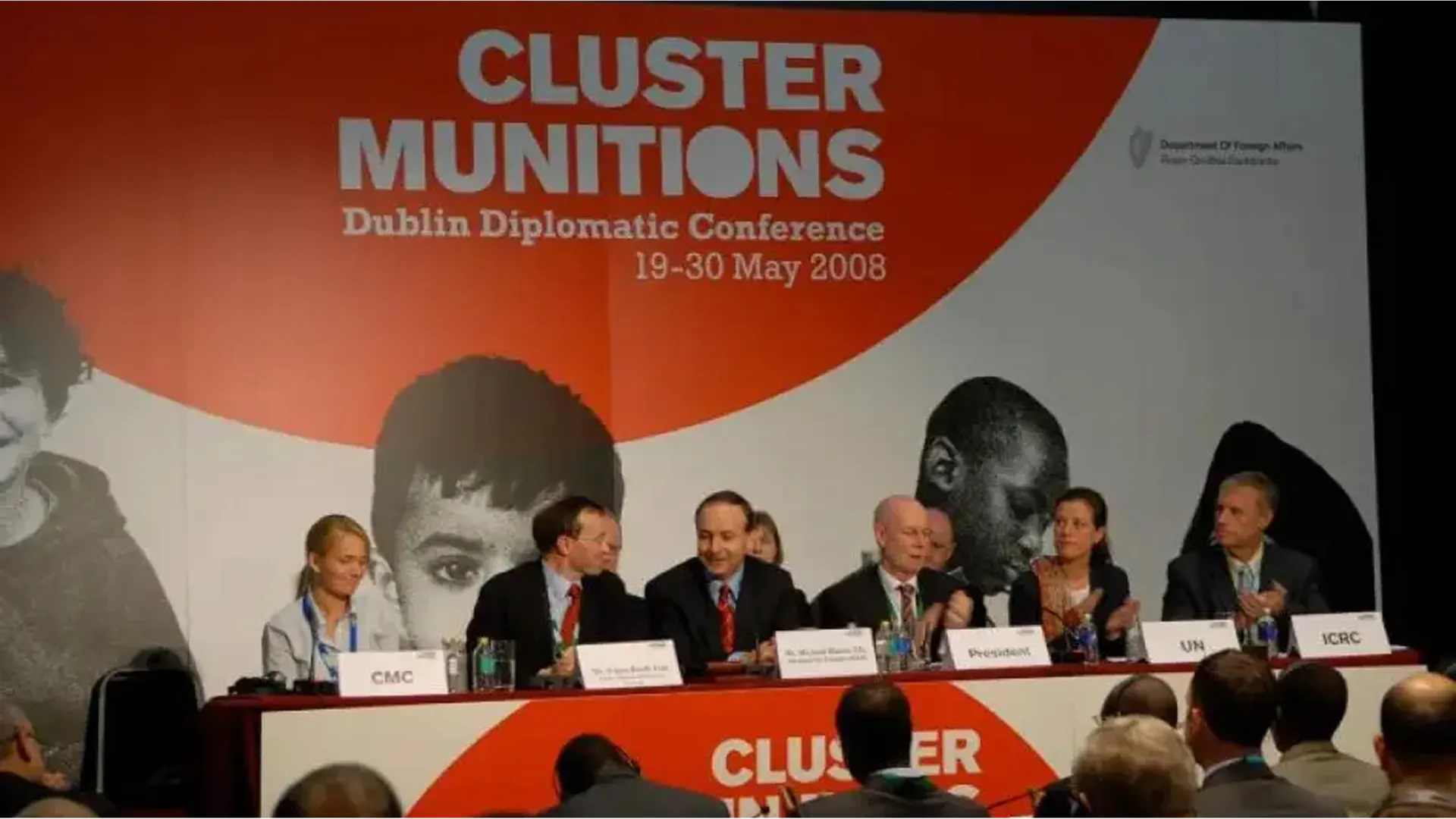
Delegates applaud the adoption of the Convention on Cluster Munitions at the Dublin Diplomatic Conference on 30 May 2008.
Image: Mary Wareham, Human Rights Watch.
Thanks to humanitarian clearance efforts, peaceful life Is gradually returning to people.
Each meter of cleared land is a step to soothe the past and creates opportunities for community development.
Life in areas contaminated by cluster munition remnants cannot improve without humanitarian clearance. Removing cluster munition remnants and other unexploded ordnance allows land to be used safely again, enabling people to resume farming and other livelihoods while supporting economic development and community wellbeing. In 2024 alone, local and international organizations globally shared joint efforts and successfully destroyed 133,600 unexploded munitions, returning 227.9 km² of clean land to communities affected by cluster bombs.
In Colombia, a 2023 study observed that humanitarian clearance activities increased local population density by 2.6%, while annual GDP growth increased by 0.7%; for every $1 spent on clearance activities, an estimated $6 in benefits was returned. The study also showed that students generally achieved better scores, with a higher share reaching satisfactory performance, after humanitarian clearance activities were conducted near schools. Humanitarian clearance can therefore bring direct benefits to the economic life and welfare of the entire community.19
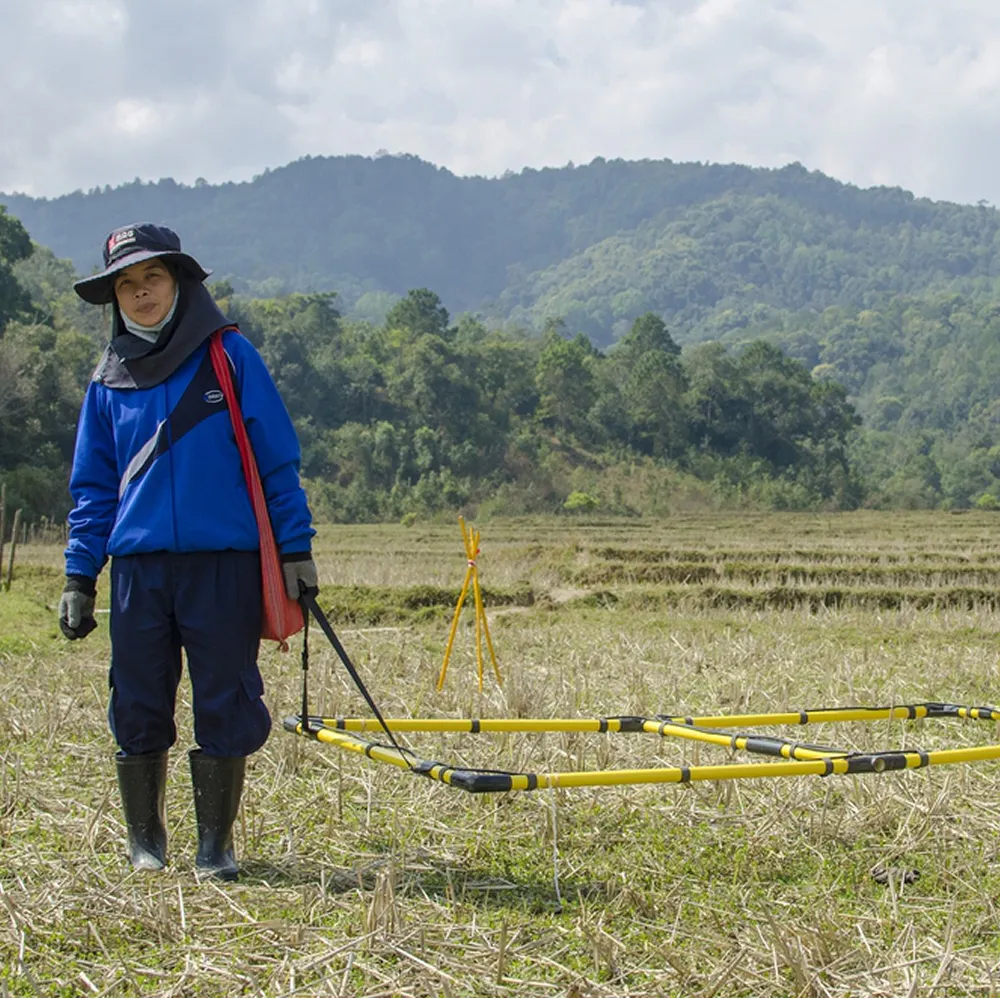
MAG (Mines Advisory Group) began clearing unexploded ordnance in Laos in 1994.
Image: MAG (Mines Advisory Group)
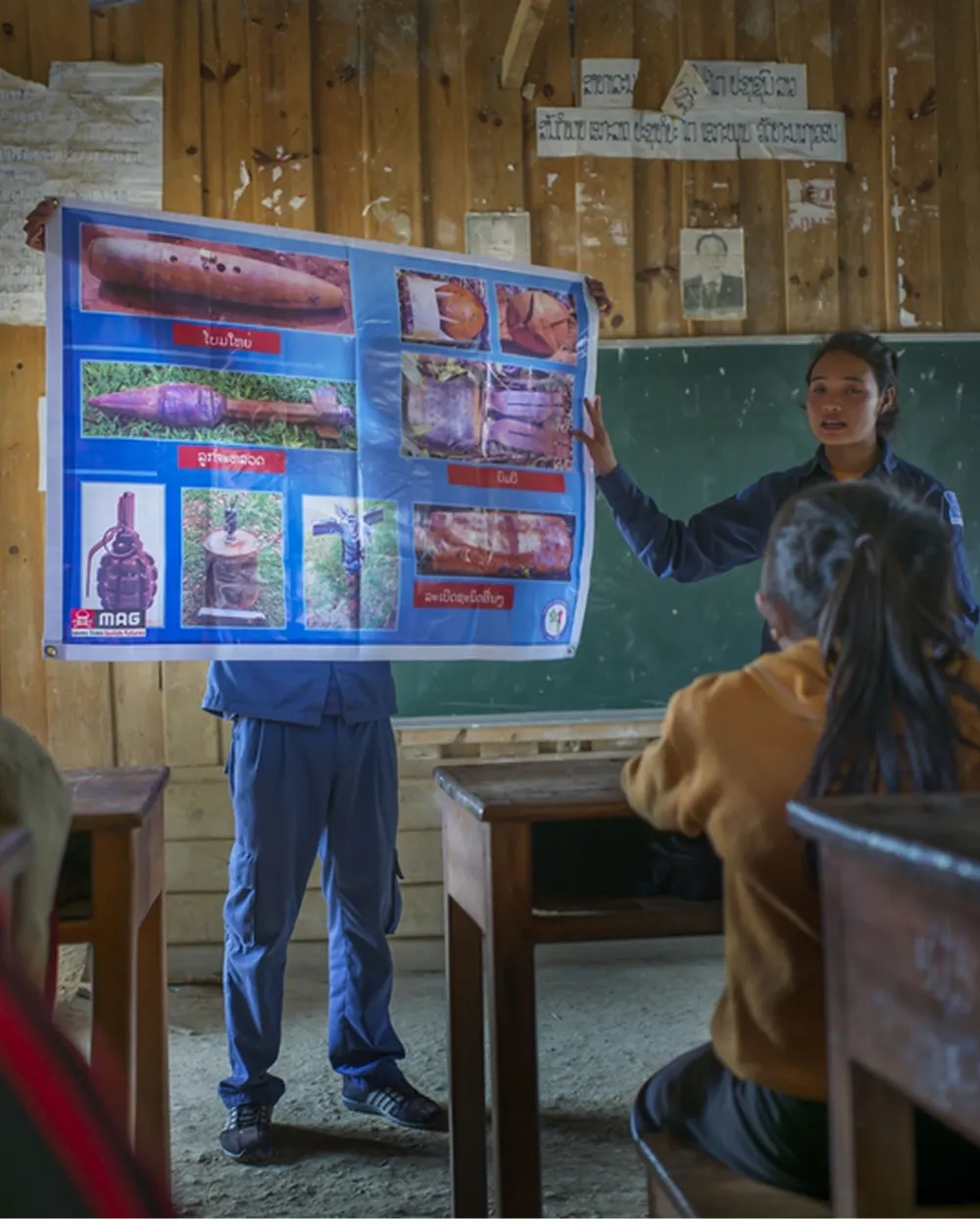
MAG staff lead awareness sessions, helping communities—particularly Lao schoolchildren—learn about explosive hazards and how to respond safely.
Image: MAG (Mines Advisory Group)
…Project RENEW has safely destroyed more than 800,000 explosive ordnances, including 105,000 cluster submunitions, returning 200 km² of land to communities for safe use…
Since South Quang Tri began receiving international support for mine action in 1996, organizations working in the province have located and destroyed 842,632 items of explosive ordnance. Risk education has reached 795,437 children and adults, providing guidance on how to stay safe when encountering mines and other explosive ordnance while clearance efforts continue. More than 3,000 UXO survivors and persons with disabilities have received support for rehabilitation, livelihood development, and community inclusion.

Students from Cam Thuy Primary School attend a mine and UXO safety lesson at the Project RENEW Mine Action Visitor Center.
Image: Project RENEW
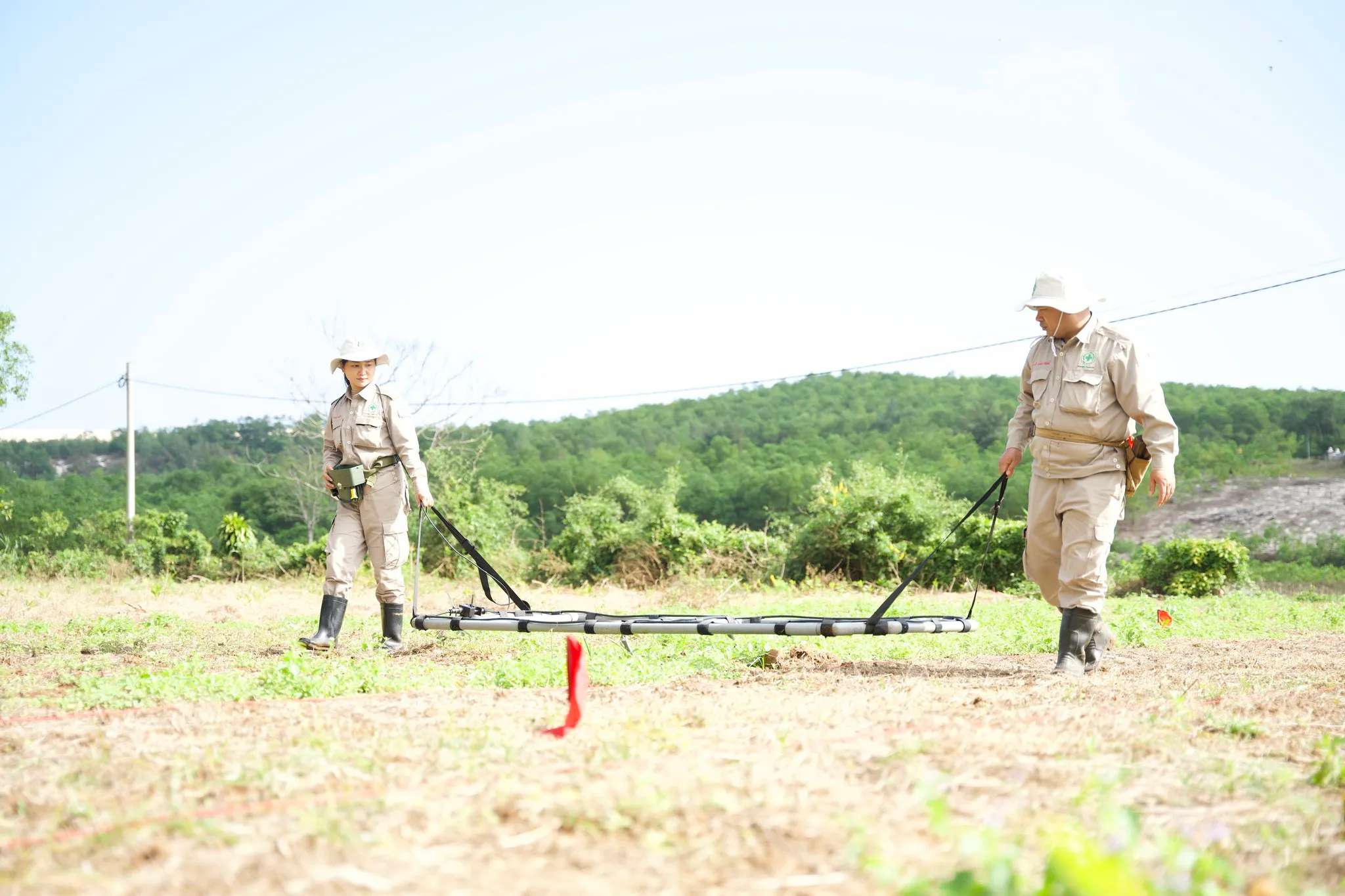
NPA/RENEW staff operate a large-loop detector to search for explosive ordnance hidden beneath the ground in Thuy Trung village.
Image: Norwegian People's Aid Vietnam.
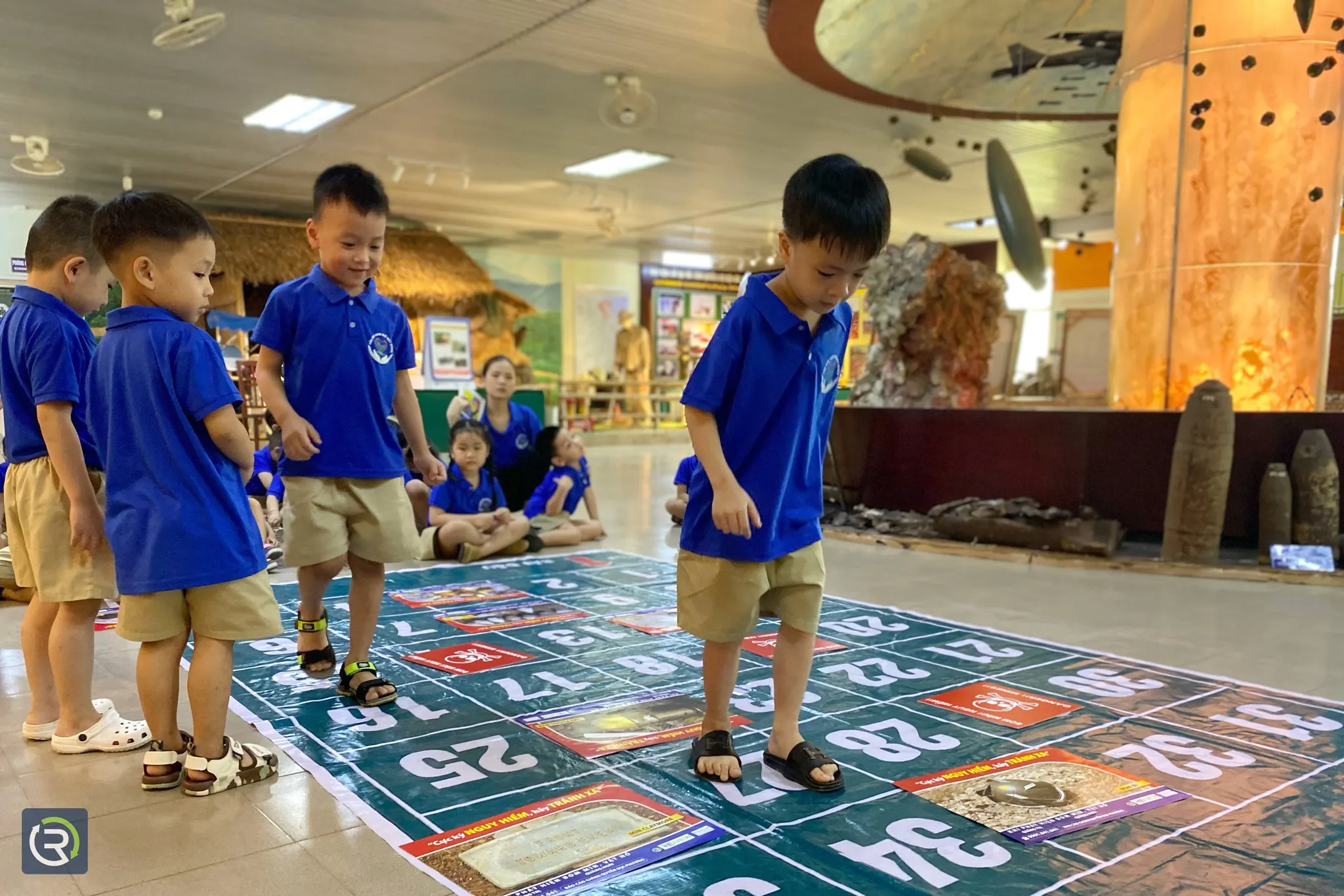
Children from Viet Seeds Preschool participate in explosive ordnance risk education activities.
Image: Project RENEW
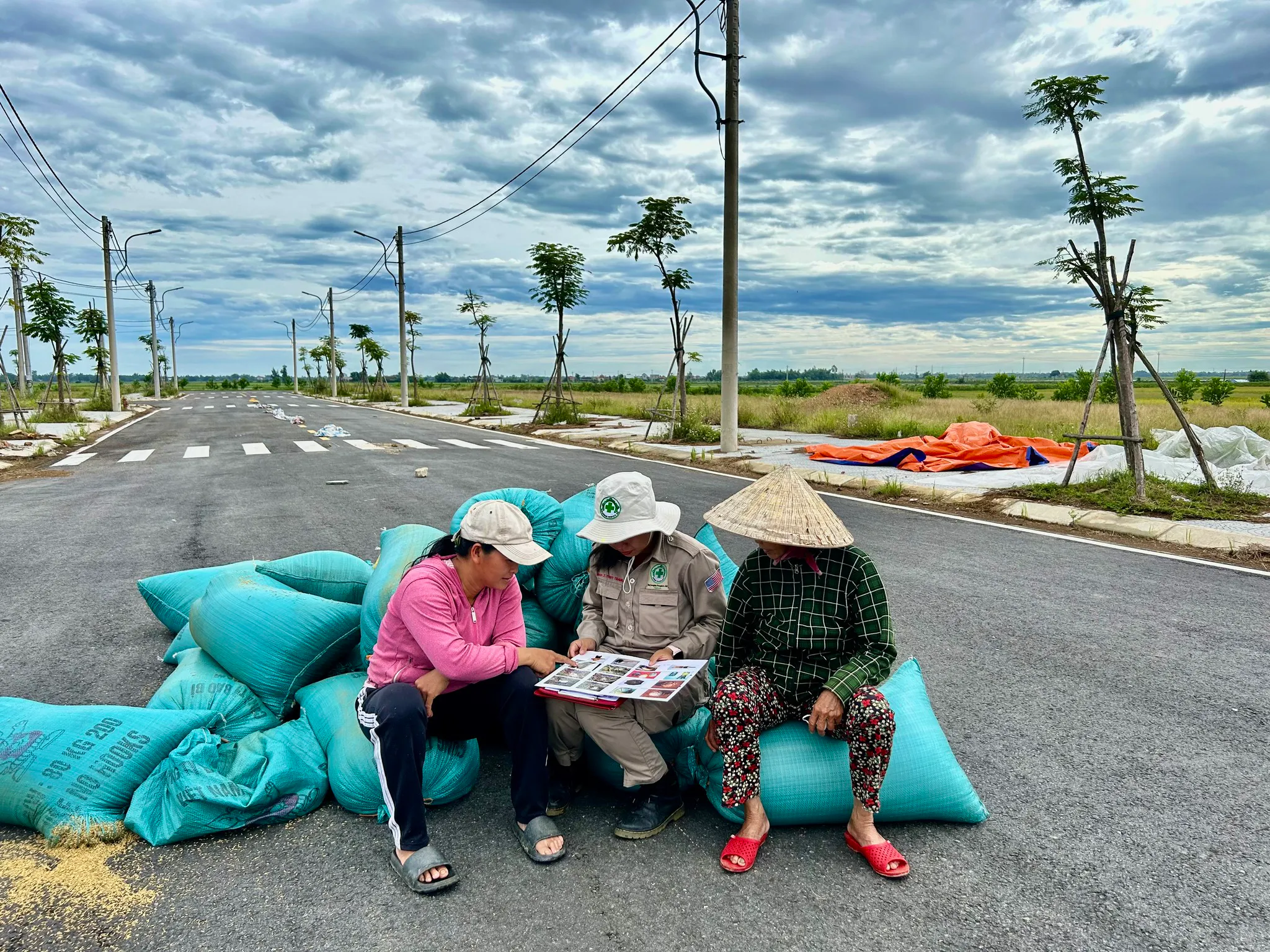
NPA/RENEW staff share mine and UXO safety guidance with local workers.
Image: Norwegian People's Aid Vietnam.
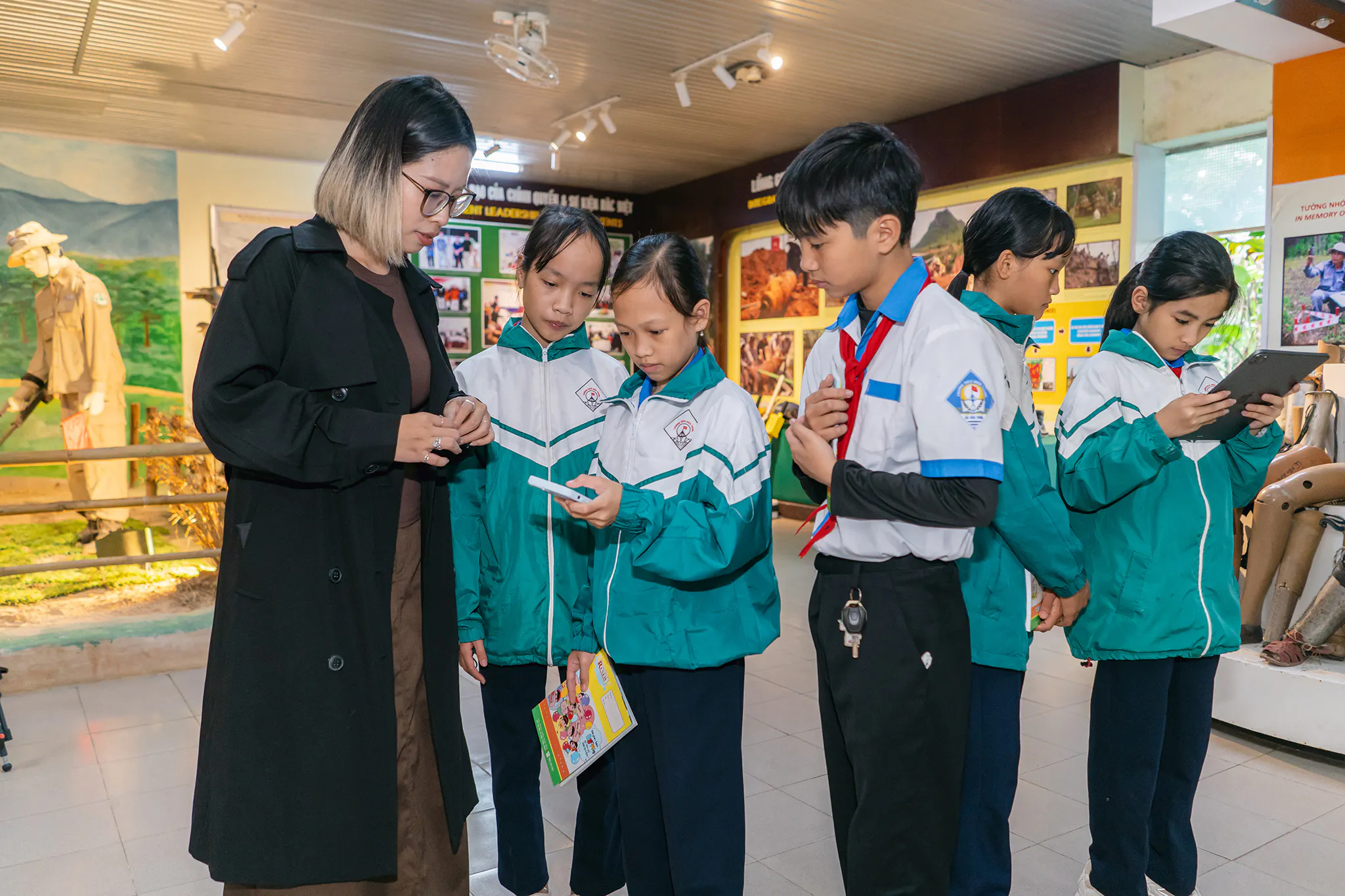
Local secondary school students take part in AR-based UXO safety training.
Image: Project RENEW
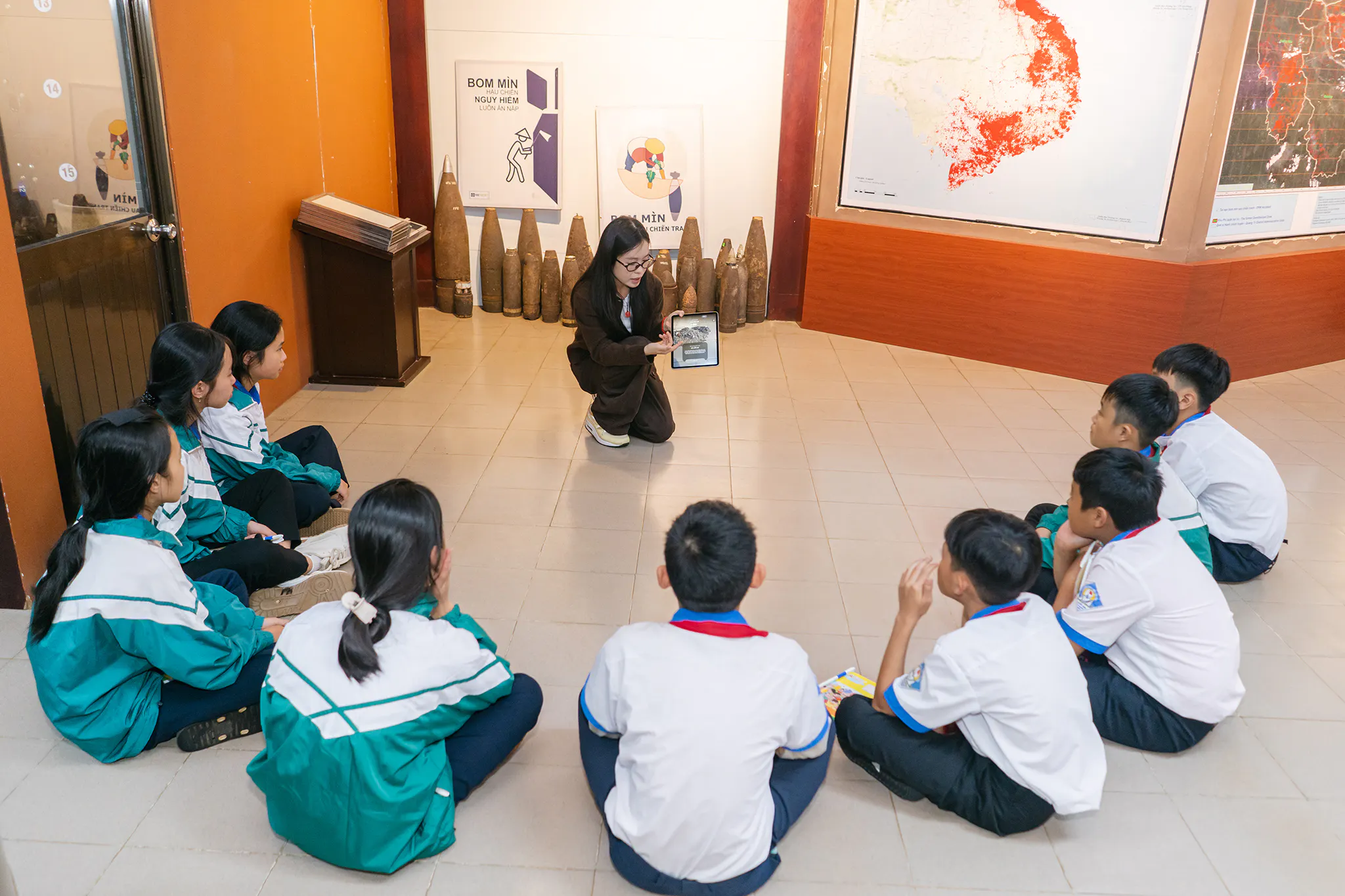
Local secondary school students take part in AR-based UXO safety training.
Image: Project RENEW

The RENEW AR app, part of a digital mine and UXO safety education program.
Image: Project RENEW
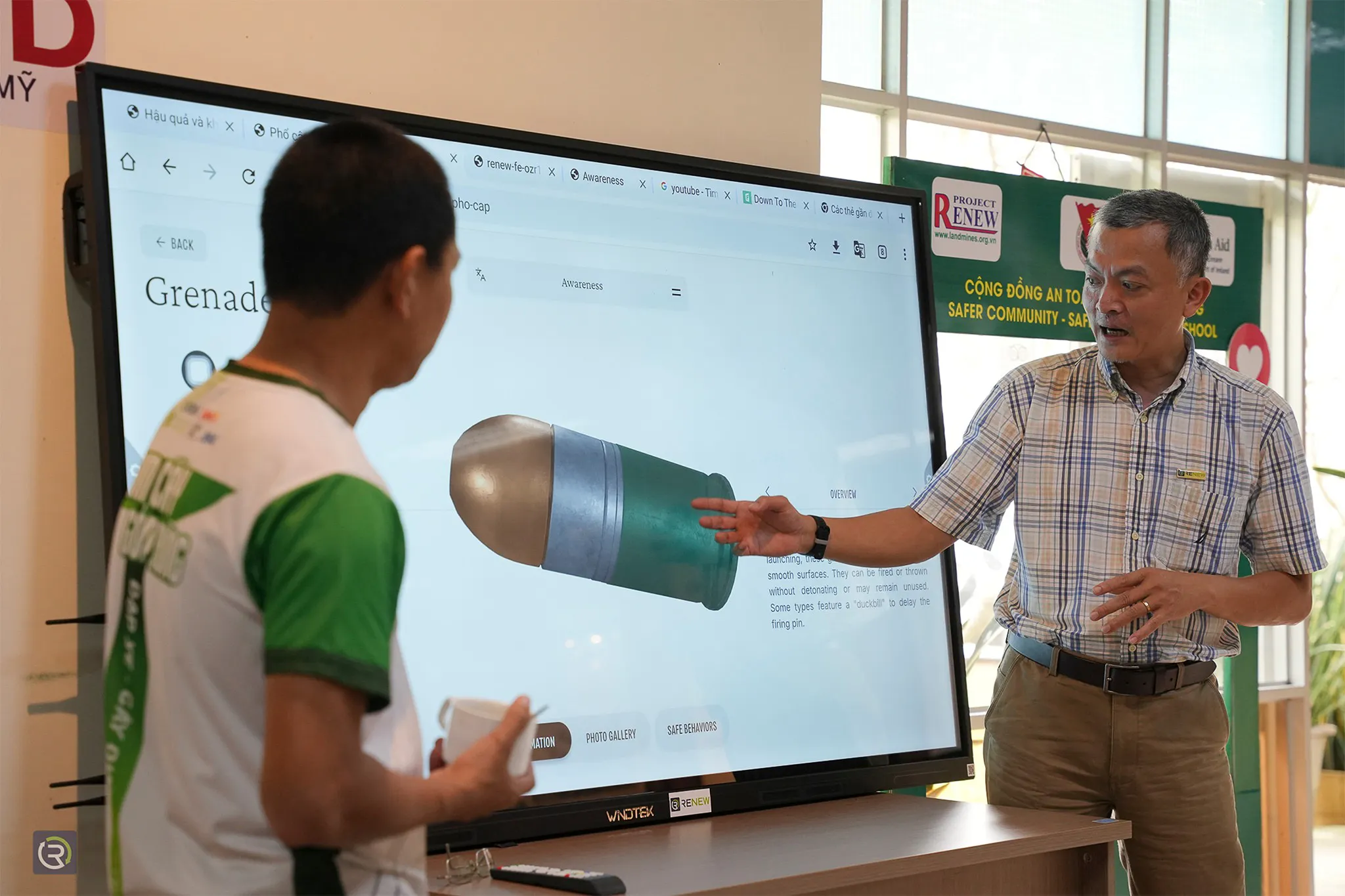
The Project RENEW team presents mine and UXO safety guidance through the digital platform “For a Safer Quang Tri.”
Image: Project RENEW
Students from Cam Thuy Primary School attend a mine and UXO safety lesson at the Project RENEW Mine Action Visitor Center.
Image: Project RENEW
NPA/RENEW staff operate a large-loop detector to search for explosive ordnance hidden beneath the ground in Thuy Trung village.
Image: Norwegian People's Aid Vietnam.
Children from Viet Seeds Preschool participate in explosive ordnance risk education activities.
Image: Project RENEW
NPA/RENEW staff share mine and UXO safety guidance with local workers.
Image: Norwegian People's Aid Vietnam.
Local secondary school students take part in AR-based UXO safety training.
Image: Project RENEW
Local secondary school students take part in AR-based UXO safety training.
Image: Project RENEW
The RENEW AR app, part of a digital mine and UXO safety education program.
Image: Project RENEW
The Project RENEW team presents mine and UXO safety guidance through the digital platform “For a Safer Quang Tri.”
Image: Project RENEW
Hope flourishes when trust in the land
is restored.
Cluster munitions—with their indiscriminate nature and high unexploded rates—are inhumane weapons that pose an unacceptable risk to civilians and leave consequences lasting for generations. Their use in civilian areas can violate international humanitarian law. Stories and statistics from Quang Tri, Laos, and Ukraine provide clear evidence of the physical and psychological harm, as well as the enduring cycles of poverty, caused by cluster munition contamination.
Cluster bombs lie silent beneath the ground but retain their devastating potential, sowing constant anxiety within communities and constraining the economic development and wellbeing of entire regions. Only when the land is cleared can trust return—and with it, hope for a better life. Clearing the land of explosive remnants is also a way of dispelling the ghosts of war, giving psychological wounds space to heal. When trust in the land returns, every step becomes safe again, seedlings break through the soil, and hope takes root.
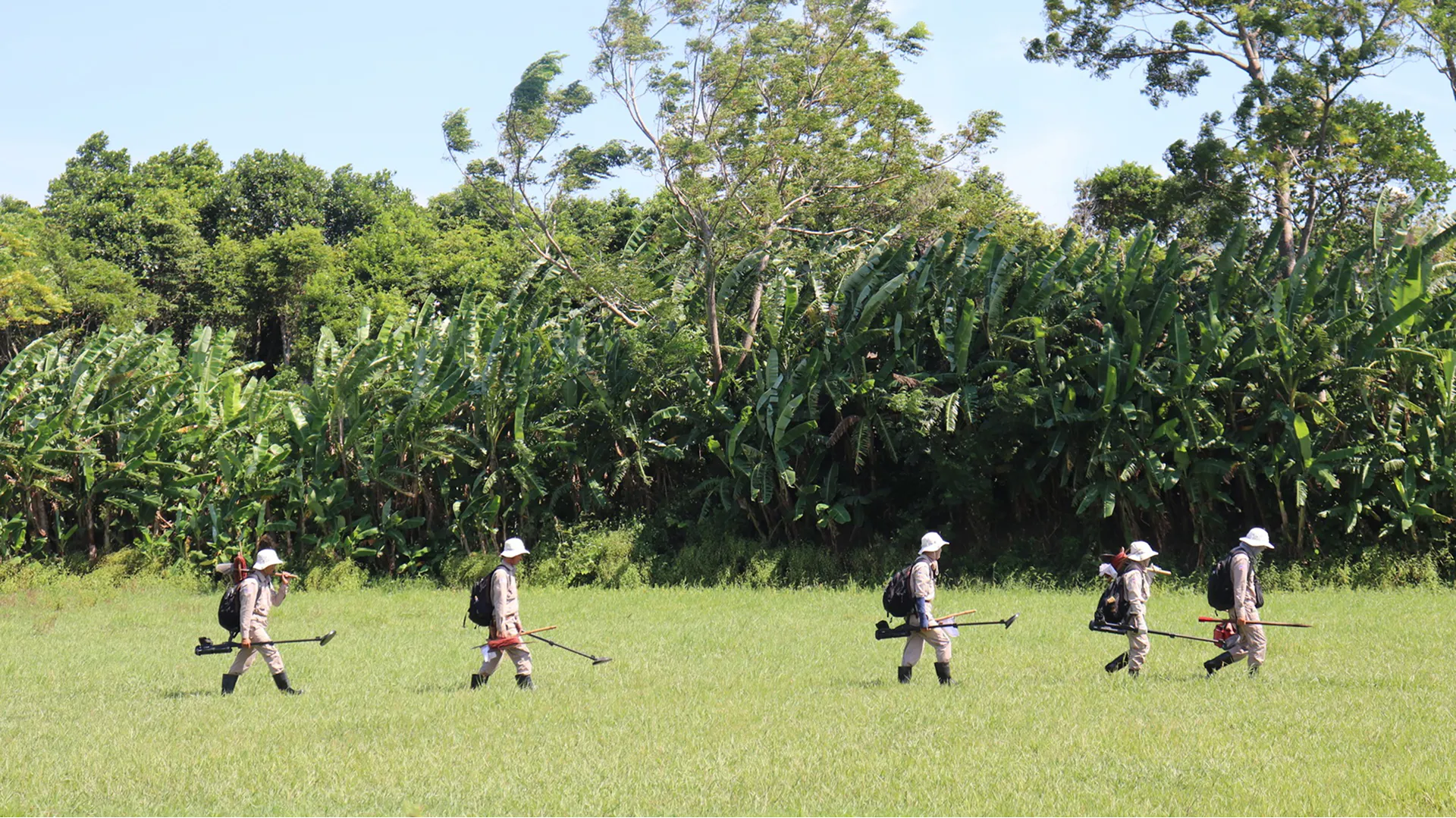
NPA/RENEW teams carry out mine and UXO clearance and disposal operations.
Image: Project RENEW
This editorial experience is part of the digital innovation project “For a Safer Quang Tri,” created to raise awareness of the dangers posed by explosive remnants of war. Through the story of Quang Tri, we hope to add our voice in support of the urgent need for peace in a world where conflict continues to shape lives. To carry this work forward, Project RENEW and Behalf welcome partners and supporters who believe in its purpose.
Sponsored by